Everything Foreigners Need to Know About Motorbikes in Vietnam


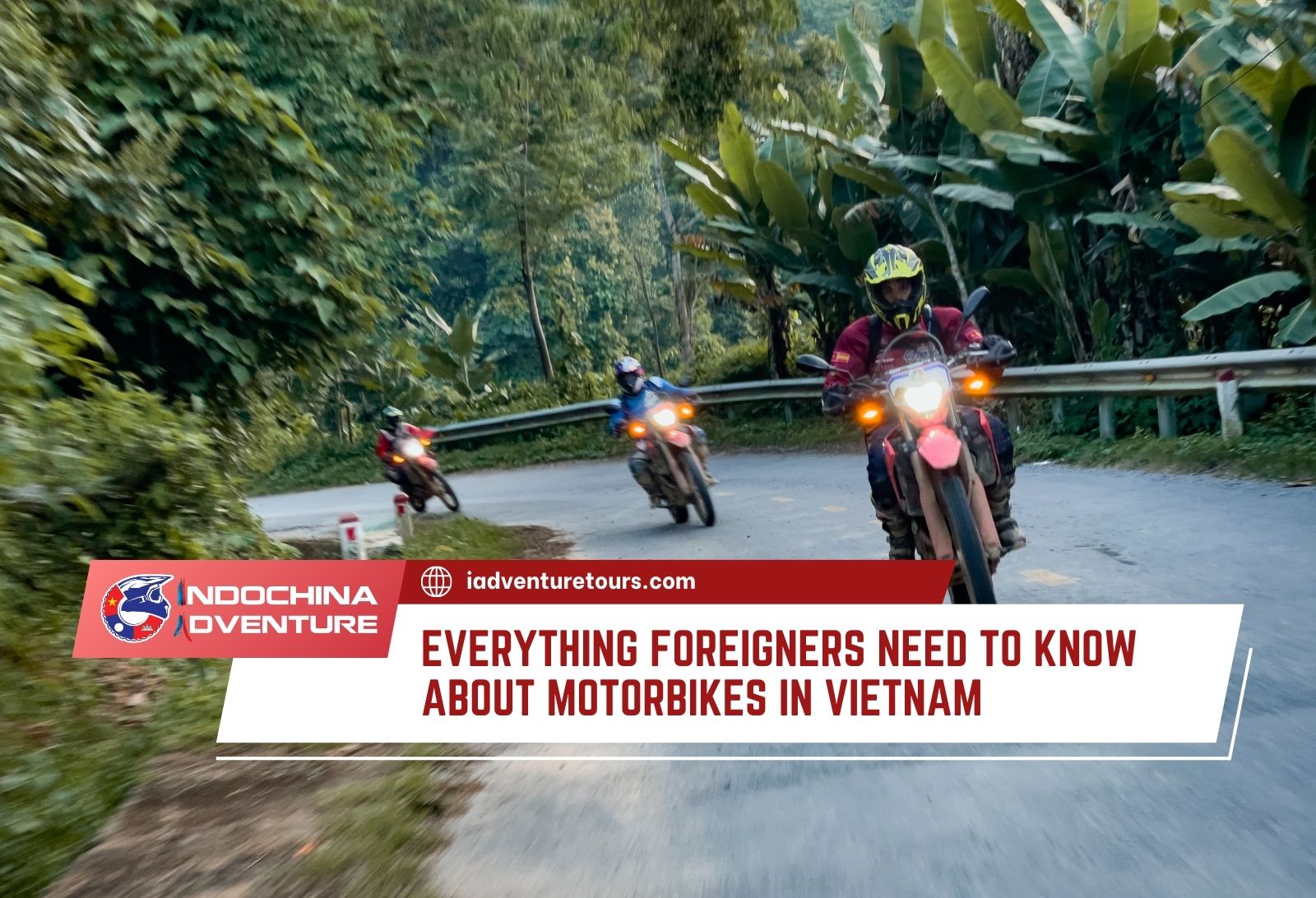
There’s no better way to experience Vietnam than from the seat of a motorbike. Whether you’re staying for a few weeks or settling in longer, having your own set of wheels offers unmatched freedom. However, for foreigners, buying or renting motorbikes in Vietnam involves specific legal requirements and practical considerations. This guide walks you through everything you need to know before hitting the road.
Are Motorbikes Legal for Foreigners in Vietnam?
Vietnam’s bustling cities and winding countryside roads are a motorbike enthusiast’s paradise. From the chaotic energy of Hanoi’s narrow alleyways to the serene beauty of the Central Highlands, motorbike tours in Vietnam open up a world of adventure and exploration. Whether you’re a seasoned rider or a newcomer to the world of two-wheelers, our guide will equip you with the knowledge and insights to make an informed decision about purchasing a motorcycle in Vietnam.
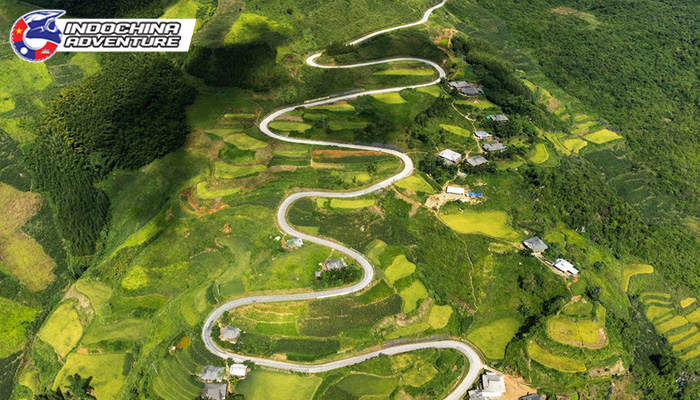
Vietnam’s bustling cities and winding countryside roads form a paradise for motorbike enthusiasts
Motorbike Laws & Licenses for Foreigners
Before hitting the open road, it’s crucial to understand the legal requirements and regulations surrounding motorbike ownership for foreigners in Vietnam.
Can foreigners buy motorbikes in Vietnam?
Yes, foreigners are legally permitted to buy motorbikes in Vietnam. Vietnamese law indeed permits foreign individuals to purchase and register ownership of cars and motorbikes to fulfill their transportation needs. However, there are certain regulations and procedures that foreign individuals must adhere to when buying and registering vehicles in Vietnam.
What are the requirements for foreigners to buy a motorbike?
To legally purchase a motorbike in Vietnam as a foreigner, there are specific requirements and documentation that must be met.
- A valid temporary residence card/Visa: Individuals need to possess a valid temporary residence card or visa, as this serves as proof of their legal status within the country.
- Passport: Presenting a current passport is also mandatory, as it serves as a primary form of identification and verification of nationality.
- A valid driver’s license (an international driver’s license is highly recommended): An international driver’s license not only facilitates the purchasing process but also ensures that you are legally permitted to operate a motorbike within Vietnam’s borders. Obtaining an international driver’s license before your arrival can streamline the process and eliminate potential complications or misunderstandings regarding your driving credentials.
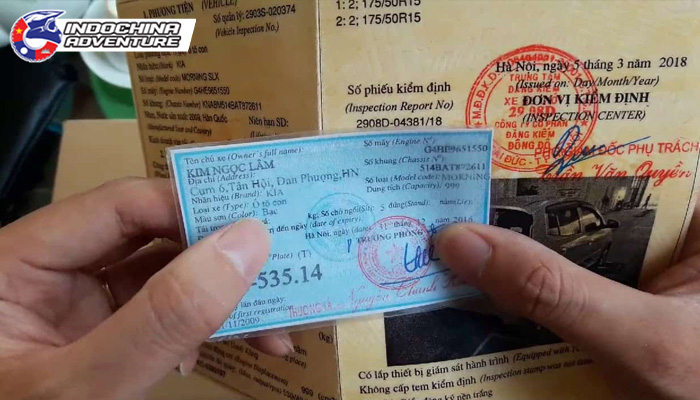
Certain documents to lawfully acquire a motorbike in Vietnam as a foreigner
Buying vs Renting Motorbikes in Vietnam
Before deciding whether to buy or rent a motorbike in Vietnam, foreigners should consider the length of their stay, travel plans, and riding experience. Renting is often more convenient for short trips, while buying a motorbike can be more cost-effective and flexible for long-term travelers or expats.
For travelers who prefer not to deal with paperwork, licenses, or bike maintenance, a guided motorbike tour is often the most convenient option. Everything is arranged for you, from routes and accommodation to experienced riders who know the roads inside out.

How to Buy a Motorbike in Vietnam (STEP BY STEP)
Once you meet the legal requirements, you can begin the process of buying a motorbike in Vietnam. While the process is relatively straightforward, it involves several important steps that require attention and preparation.
Top Places to Buy Motorbikes
Foreigners have several options when purchasing motorbikes in Vietnam:
- Authorized dealerships: Sell new motorbikes from reputable brands, with warranties and after-sales service.
- Private sellers: Usually offer used motorbikes at lower prices but with fewer guarantees.
- Online platforms & social media groups: Convenient for browsing options, though buyers should inspect carefully and verify documents.
Step 1: Choosing Your Motorbike
Choosing the right motorbike is the most important step. Vietnam’s roads range from crowded city streets to steep mountain passes and rough rural terrain, so your choice should match your travel needs.
Gas-powered motorbikes are the most common and reliable option. Well-known brands in Vietnam include:
- Honda: Popular models like Air Blade, Wave, Dream, and SH are known for durability and ease of maintenance.
- Yamaha: Models such as Exciter, Jupiter, and Nozza are praised for performance and design.
- Suzuki: Favored by riders who prefer sporty styles, with models like Sport and Raider.
When selecting a motorbike, consider engine size, fuel efficiency, road conditions, and whether you plan to ride mainly in cities or on long-distance routes.
>>Explore: Top 10 Best Lightweight Motorcycles for New Riders 2026
Step 2: Negotiating the Price
Prices for used motorbikes in Vietnam are often negotiable. The final cost depends on the bike’s condition, mileage, model, and the seller’s asking price. Buyers should research average market prices in advance and inspect the motorbike carefully. Use any visible wear, missing documents, or maintenance issues as leverage during negotiation. Staying polite and patient often leads to better deals.
Step 3: Completing the Paperwork
Proper documentation is essential when buying a motorbike in Vietnam.
Motorbike license
- A1 license: for motorbikes from 50cc to under 175cc (the most common in Vietnam)
- A2 license: for motorbikes 175cc and above
- Foreigners can convert a valid foreign driver’s license to a Vietnamese license if they hold a valid visa or temporary residence card, or take a local driving test in Vietnam
Vehicle registration certificate
A plastic card showing the owner’s name, passport details, and license plate.
Owner documents
- Residents: passport, visa/TRC, work permit or introduction letter
- Diplomats: recommendation letter and ID
Vehicle documents
- Sales invoice
- Registration fee receipt
- Proof of vehicle origin
Motorbike insurance
-
Mandatory third-party liability insurance (“yellow paper insurance”)
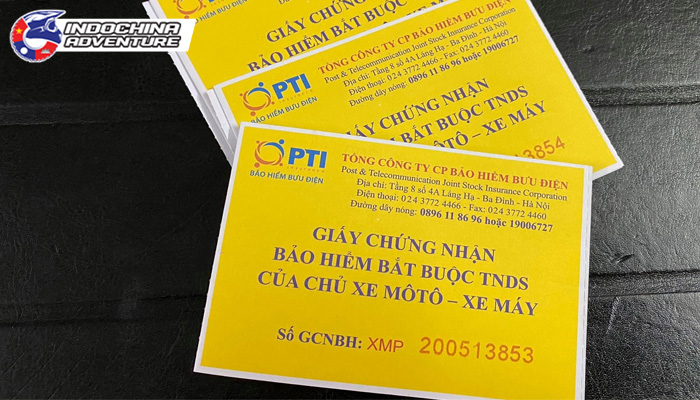
Vietnam yellow motorbike insurance certificate
Quick checklist for foreigners buying motorbikes in Vietnam
- Valid passport
- Valid visa or temporary residence card (TRC)
- Valid driver’s license (Vietnamese or International Driving Permit)
- Vehicle registration certificate & compulsory motorbike insurance
If there is a language barrier, it is advisable to have the sales contract and other relevant documents translated by a professional to ensure a full understanding of the terms and conditions.
Step 4: Registration and Insurance
Finally, the motorbike must be registered under your name with the local transport authority (Sở Giao Thông Vận Tải). This includes submitting identification documents, proof of purchase, and paying registration fees. Third-party liability insurance is mandatory to legally ride on Vietnamese roads.
Cost of Motorbikes in Vietnam
Buying a motorbike in Vietnam is a popular choice thanks to its affordability, flexibility, and convenience. Compared to long-term rentals, ownership can be more cost-effective, especially for foreigners staying several months or longer. However, prices vary widely depending on several key factors.
Cost factors
The price of motorbikes in Vietnam depends mainly on the bike type, condition, and purchase location.
- New motorbikes from brands like Honda, Yamaha, and Suzuki typically cost more, especially higher-displacement models.
- Used motorbikes are more affordable but vary greatly based on mileage, maintenance history, and overall condition.
- Location matters: Prices in major cities like Hanoi and Ho Chi Minh City are often higher than in smaller towns or rural areas due to demand and availability.
Before buying, always compare market prices and inspect the bike carefully to avoid unexpected repair costs.
Advantages and Disadvantages of Buying a Motorbike
Buying motorbikes in Vietnam offers clear advantages, particularly freedom and mobility. Motorbikes allow riders to move easily through traffic, access narrow streets, and explore remote areas that cars cannot reach. This makes them ideal for daily commuting and long-distance travel alike.
However, owning a motorbike also comes with responsibilities. Riders must comply with traffic laws in Vietnam, handle maintenance costs, and adapt to challenging road conditions. For short stays, renting may still be the more practical option.
Motorbike Safety & Traffic Rules
Once you understand Vietnam’s traffic rules and basic riding safety, the next step is choosing the right route. Vietnam motorbike routes range from scenic coastal roads to challenging mountain passes, suitable for different experience levels. For adventurous riders, iconic journeys such as the Ho Chi Minh Trail motorbike tour offer unforgettable landscapes and historical significance, but also require extra caution due to changing weather conditions, slippery roads, and long remote stretches.
The roads in Vietnam can also be treacherous, with potholes, uneven surfaces, and unexpected obstacles like animals or debris. Staying alert is crucial when navigating these hazards. To stay safe while riding motorbikes in Vietnam, consider the following tips:
- Always wear a helmet: A good helmet is the best protection against head injuries.
- Wear protective clothing: Durable jackets and pants can safeguard your skin in the event of an accident.
- Use high-quality tires: Good tires improve handling and reduce the risk of accidents caused by blowouts.
- Regularly maintain your motorbikes in Vietnam: Proper maintenance helps prevent breakdowns on the road, ensuring a safer ride.
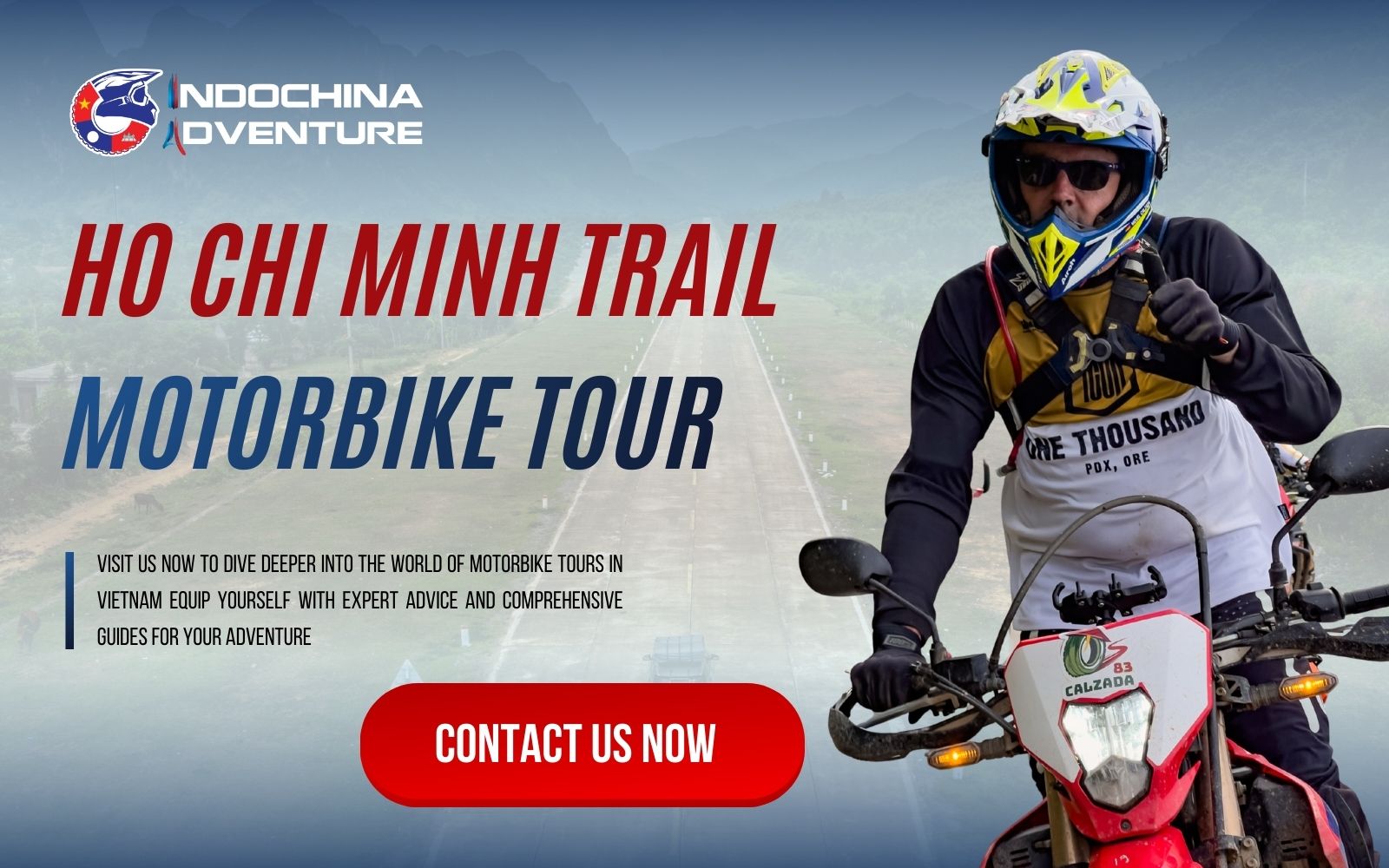
Professional guides ensuring a secure and unforgettable Ho Chi Minh journey
Common Mistakes Foreigners Make
Many foreigners rush into buying motorbikes in Vietnam without fully understanding legal requirements, pricing, or safety risks. Common mistakes include skipping paperwork checks, overpaying for used bikes, and underestimating road conditions.
By researching carefully, understanding costs, and prioritizing safety, foreigners can avoid these pitfalls and enjoy the freedom that motorbikes in Vietnam offer. With the right preparation, riding becomes one of the most rewarding ways to explore the country.
Riding motorbikes in Vietnam offers an unmatched sense of freedom, allowing travelers to explore the country at their own pace — from vibrant cities to remote mountain roads. Whether you choose to buy or rent, understanding local laws, costs, and safety rules is essential for a smooth experience.
For foreigners, taking the time to research the market, prepare the right documents, and ride responsibly can make all the difference. With proper planning and awareness, motorbikes in Vietnam become not just a means of transport, but a gateway to authentic adventures across the country. If you’re looking for a safer and more immersive way to explore Vietnam by motorbike, joining a guided tour with Indochina Adventure can help you enjoy the journey with confidence and peace of mind.


Latest posts

Is Ma Pi Leng Pass Really Dangerous or Just Intimidating?
 Date: 20/01/2026

Best Food in Sapa: 15+ Must-Try Dishes You Shouldn’t Miss
Date: 20/01/2026
What to Pack for Moc Chau Plateau – Essential Packing List
Date: 20/01/2026
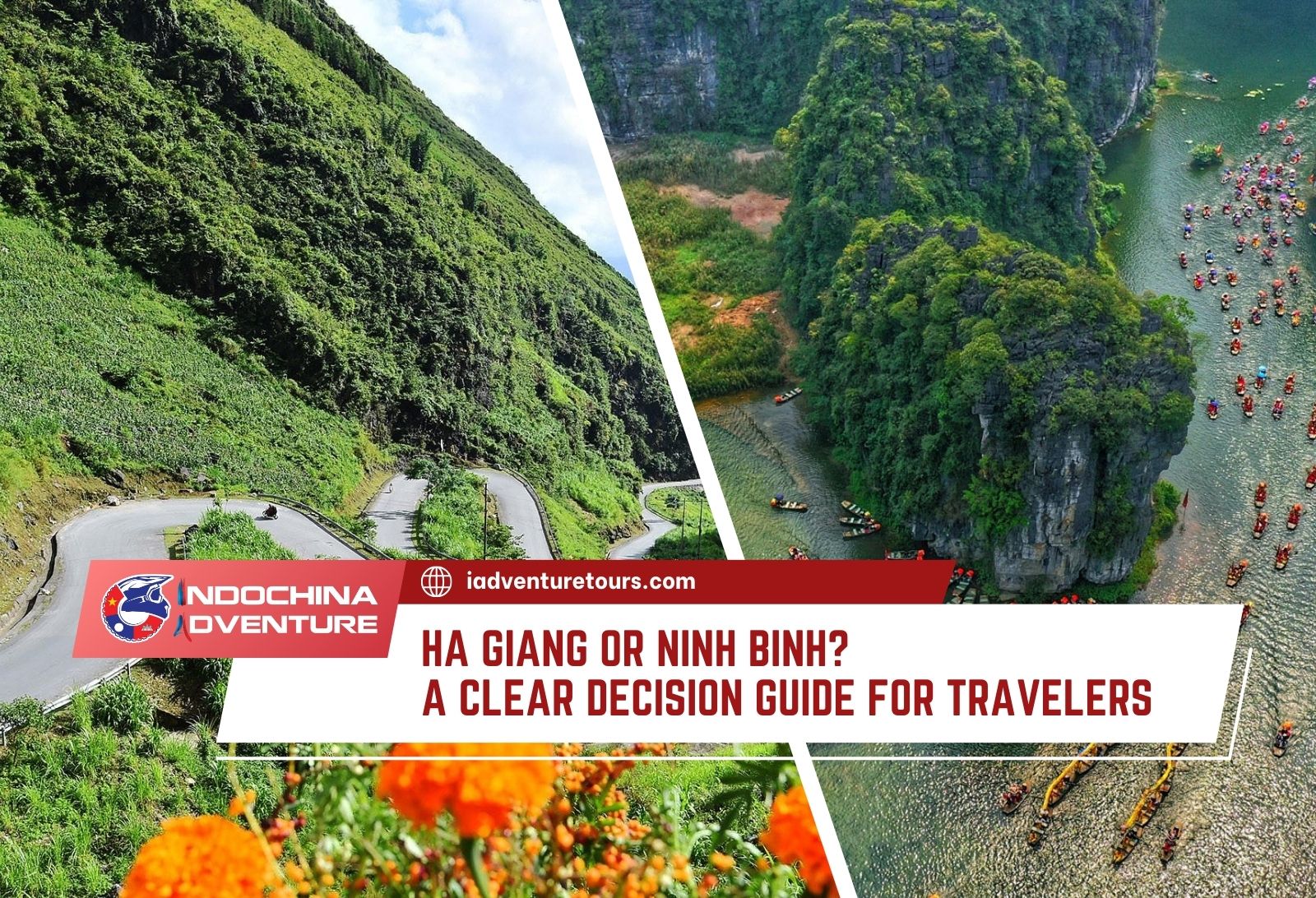
Ha Giang Vs Ninh Binh: Which One Is Better For Your Trip?
Date: 20/01/2026
Ha Giang Loop Or Cao Bang Loop? A Clear Decision Guide For Travelers
Date: 20/01/2026
Ha Giang Loop Nightlife: Is It Fun or Totally Quiet?
Date: 20/01/2026
Maybe You Don’t Know
Is Ma Pi Leng Pass Really Dangerous or Just Intimidating?
For many riders planning the Ha Giang Loop, the big question is is Ma Pi…
Date: 20/01/2026

Best Food in Sapa: 15+ Must-Try Dishes You Shouldn’t Miss
Famous for misty mountains and ethnic cultures, Sapa is also a paradise for travelers seeking…
Date: 20/01/2026
What to Pack for Moc Chau Plateau – Essential Packing List
Moc Chau Plateau is a dream destination for nature lovers, famous for its rolling tea…
Date: 20/01/2026
Ha Giang Vs Ninh Binh: Which One Is Better For Your Trip?
Northern Vietnam is home to two of the most iconic landscapes in Southeast Asia, yet…
Date: 20/01/2026
Ha Giang Loop Or Cao Bang Loop? A Clear Decision Guide For Travelers
Northern Vietnam offers some of the most spectacular motorbike routes in Southeast Asia, and two…
Date: 20/01/2026
Ha Giang Loop Nightlife: Is It Fun or Totally Quiet?
After a long day of navigating limestone pinnacles and hair-raising mountain passes on adventure motorcycle…
Date: 20/01/2026