Is The Ho Chi Minh Trail Safe? Realistic Expectations For Riders


The Ho Chi Minh Road is the crown jewel of any Vietnam motorcycle tour, offering a breathtaking blend of history and limestone landscapes. However, many riders ask: is Ho Chi Minh Trail dangerous for the average traveler? While the paved roads are generally in excellent condition, the sheer isolation and technical mountain passes make it a serious undertaking for adventure motorcycle tours. At Indochina Adventure, we believe that with the right preparation and local knowledge, this route can be navigated safely and rewardingly.
Is the Ho Chi Minh Trail dangerous? Quick answer for travelers
Yes, but not inherently. The Ho Chi Minh Trail can be dangerous for unprepared riders, especially on a long-distance motorbike journey with remote stretches and changing weather. However, with realistic expectations, proper planning, and local guidance, most travelers complete a Ho Chi Minh Trail motorbike tour safely and enjoyably. It is not about speed or risk-taking but understanding the road, the conditions, and your own limits.
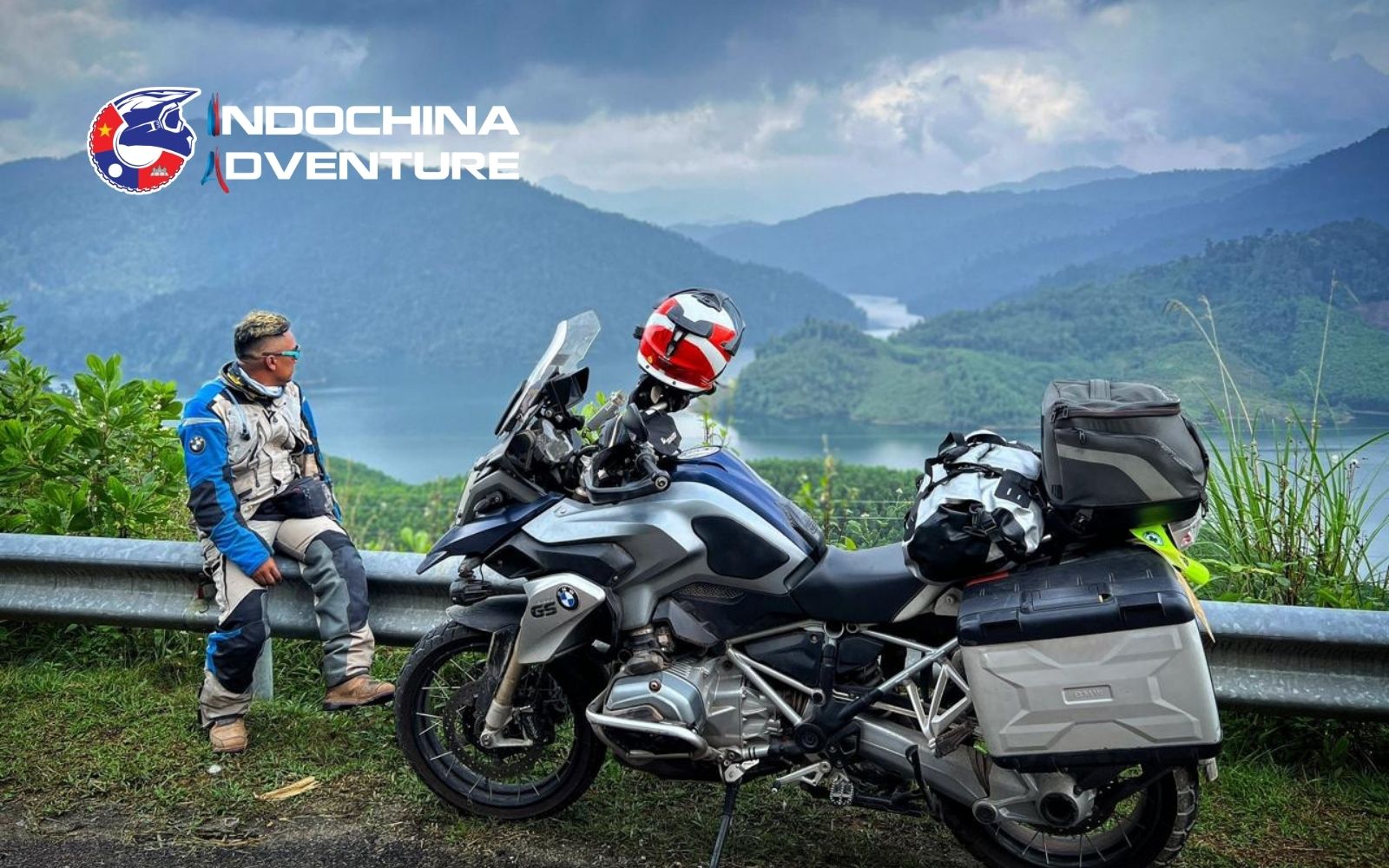
Understanding whether is Ho Chi Minh Trail dangerous for riders
Understanding the Ho Chi Minh Trail – What it actually is
To assess the real risks, it is important to understand what people actually mean by the “Ho Chi Minh Trail” today. This route is not a single road, but a modern network of highways and secondary mountain roads stretching through Vietnam’s interior. For riders familiar with a northern Vietnam motorbike tour, the Ho Chi Minh Trail offers a similar sense of scale, remoteness and changing terrain, just over a much longer distance.
Modern Ho Chi Minh road vs historical war trail
Today’s Ho Chi Minh Road is a vastly different experience from the treacherous supply network used during the war. While the original trail consisted of hidden jungle paths and rugged dirt tracks, the modern route is a well-maintained, two-lane concrete and asphalt highway. It offers a smooth surface for riders, though it still winds through the same formidable mountain terrain that once challenged soldiers decades ago.
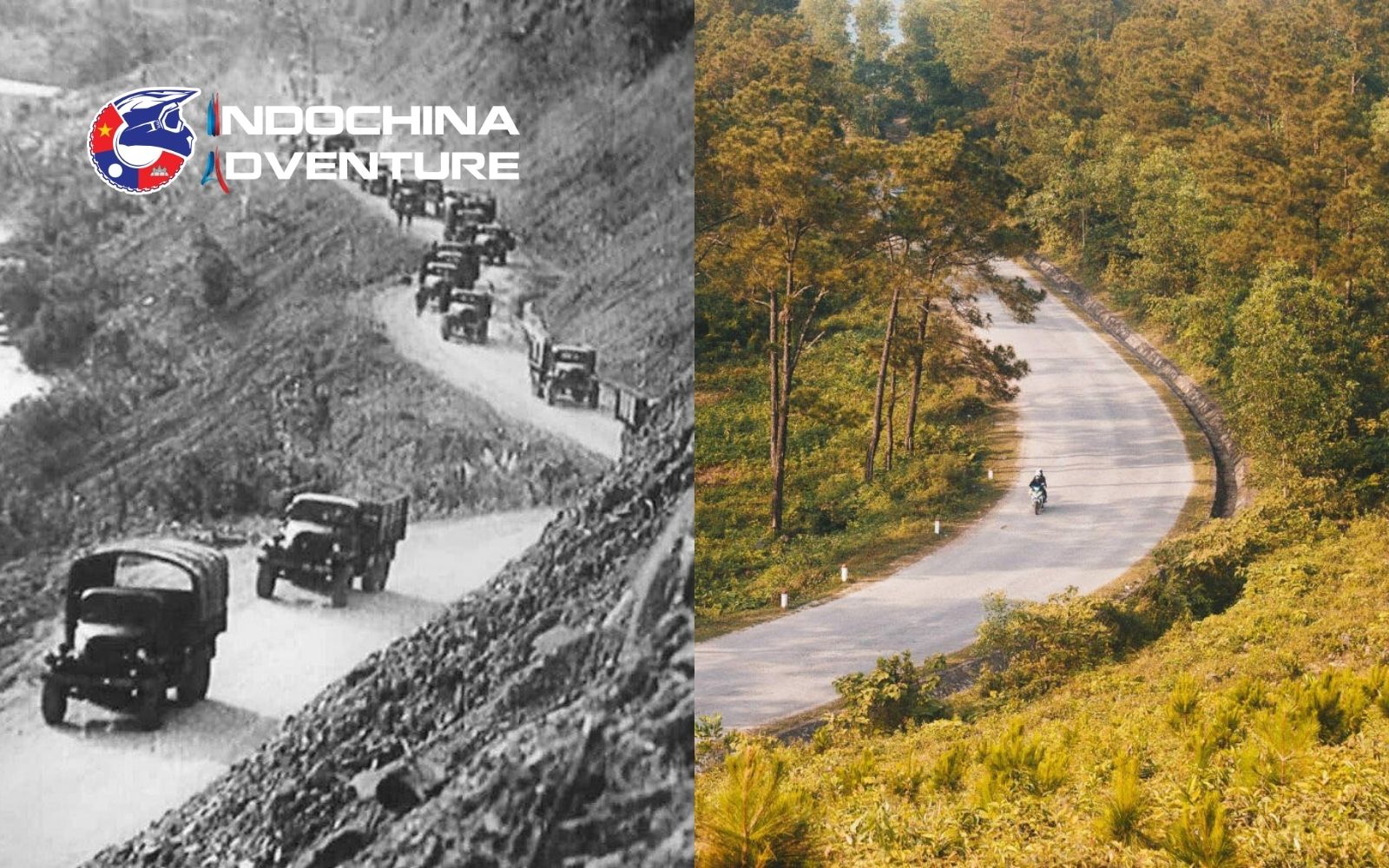
Journey from wartime paths to today’s paved mountain roads
Main sections travelers ride today (HCM East & West)
Most travelers today ride the modern Ho Chi Minh Road, which is divided into two main branches: HCM East and HCM West. The eastern route is more developed and connects towns across the Central Highlands, making it popular for long-distance central Vietnam motorbike tours with easier access to fuel and accommodation.
The western branch (HCM West Road) runs closer to the Laos border, far more remote and scenic, often chosen by experienced riders seeking isolation. Many journeys begin in the south as part of extended south Vietnam Motorcycle Tours, before heading north into these quieter interior sections.
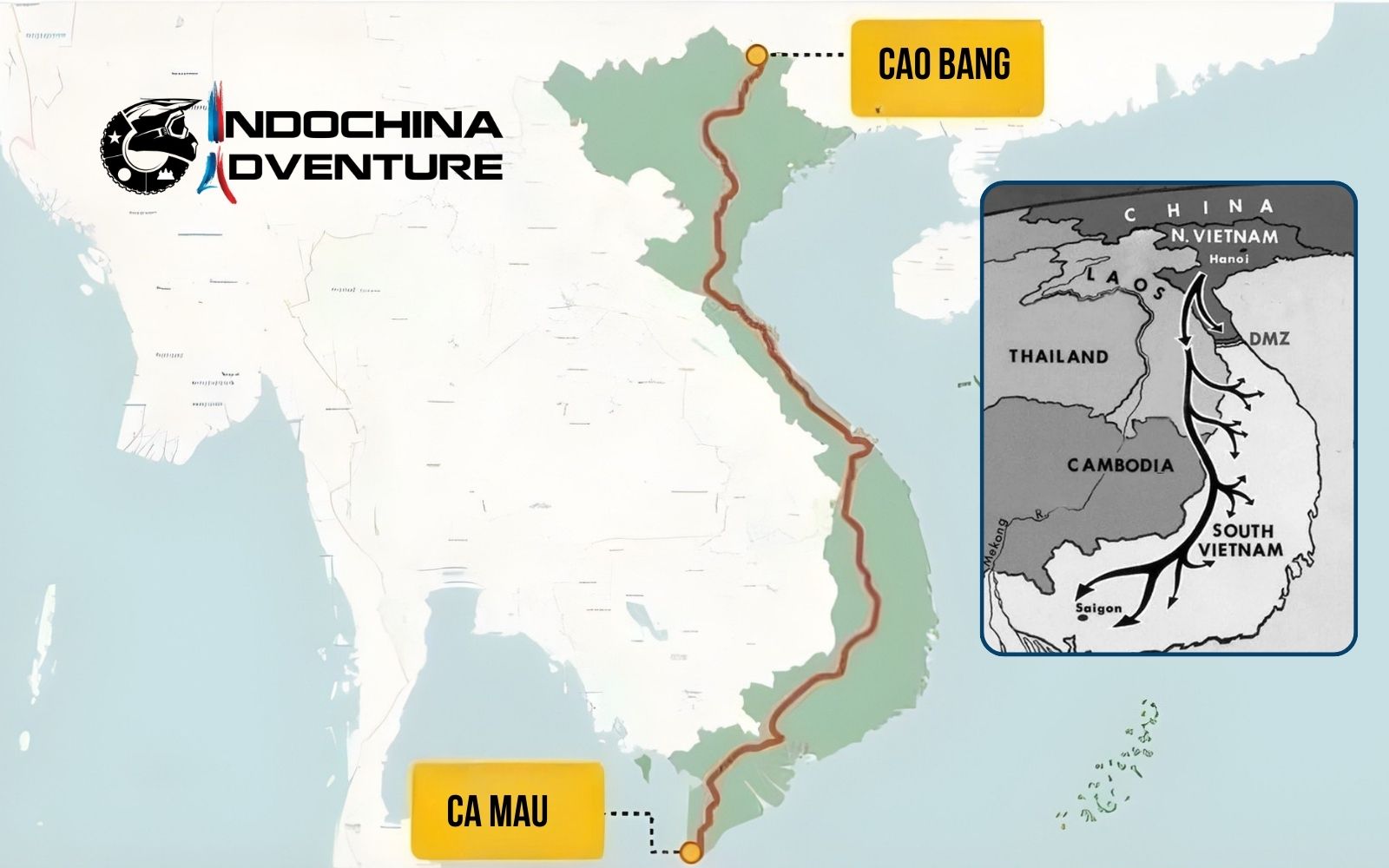
East and West routes showcase Vietnam’s scenic mountain landscapes
What makes the Ho Chi Minh Trail potentially dangerous?
While the road surface is largely in excellent condition, understanding exactly is Ho Chi Minh Trail dangerous requires looking beyond the pavement. The risks on this route are often environmental and logistical rather than just traffic-related, demanding a high level of self-sufficiency from every rider.
Long, remote stretches with few services
The Ho Chi Minh Trail difficulty is defined by its extreme isolation, particularly on the 240km HCM West Road dangerous stretch between Phong Nha and Khe Sanh. In these remote areas, you can ride for hours without encountering a single gas station, mechanic or food stall. A simple puncture or running out of fuel here becomes a major safety risk, as mobile signal is virtually non-existent for much of the journey.
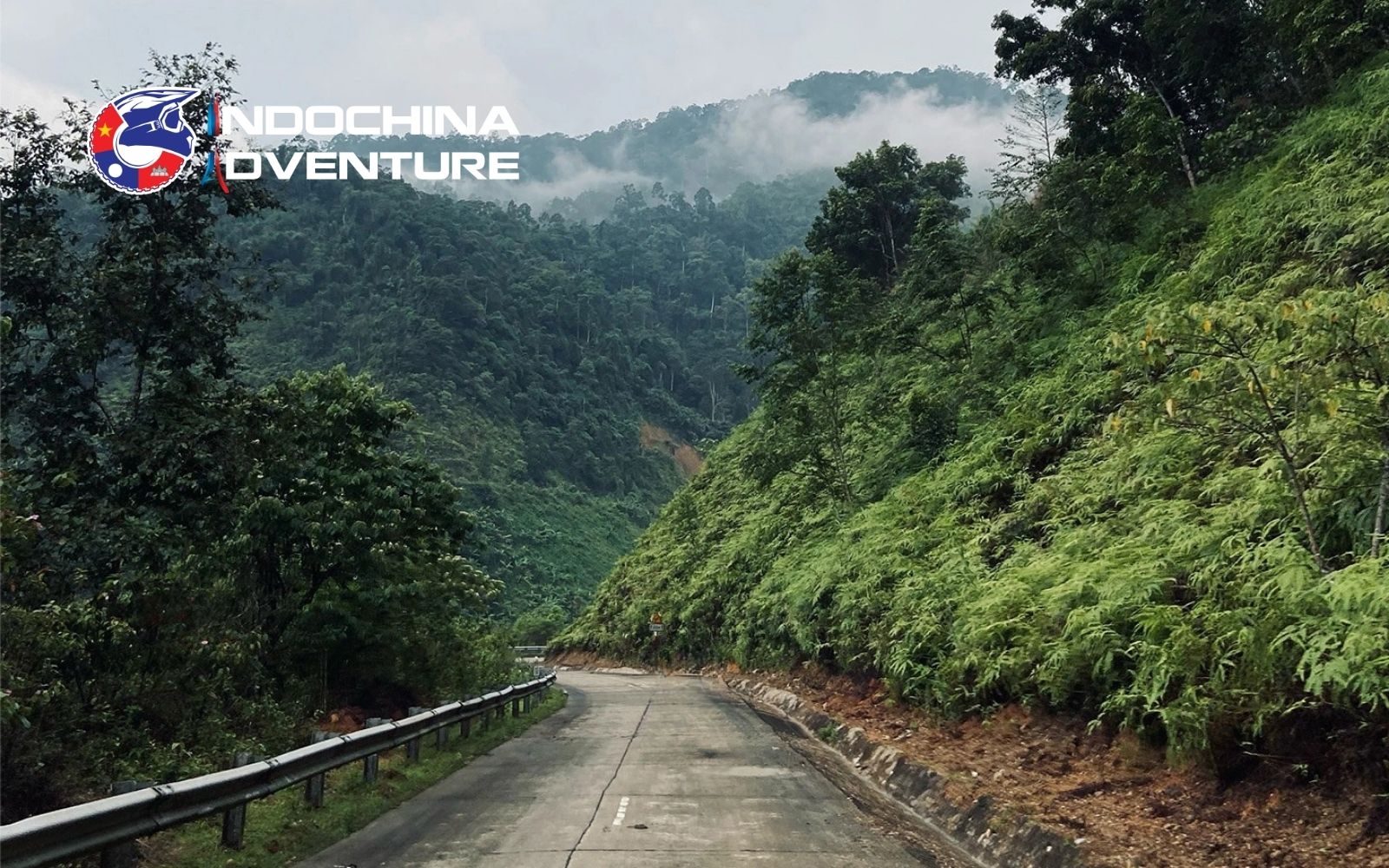
Remote stretches test endurance and self-sufficiency for riders
Weather extremes (rain, fog, wet season)
Weather is one of the biggest variables affecting safety on the route. Heavy rain during the wet season can turn mountain roads slippery, while fog in higher elevations severely reduces visibility. Under these conditions, the Ho Chi Minh Trail motorbike dangerous perception becomes very real, especially on narrow passes and descents. Sudden weather changes demand slower speeds, flexible plans and strong situational awareness.
Winding roads & sharp mountain passes
The Ho Chi Minh Highway cuts through mountain ranges with long, winding sections and frequent blind corners. Steep ascents and sharp passes require constant focus, especially for heavily loaded bikes or less experienced riders. While many ask is the Ho Chi Minh Highway safe, the answer depends largely on riding discipline and speed control. Treated with patience and caution, these roads are challenging but manageable.
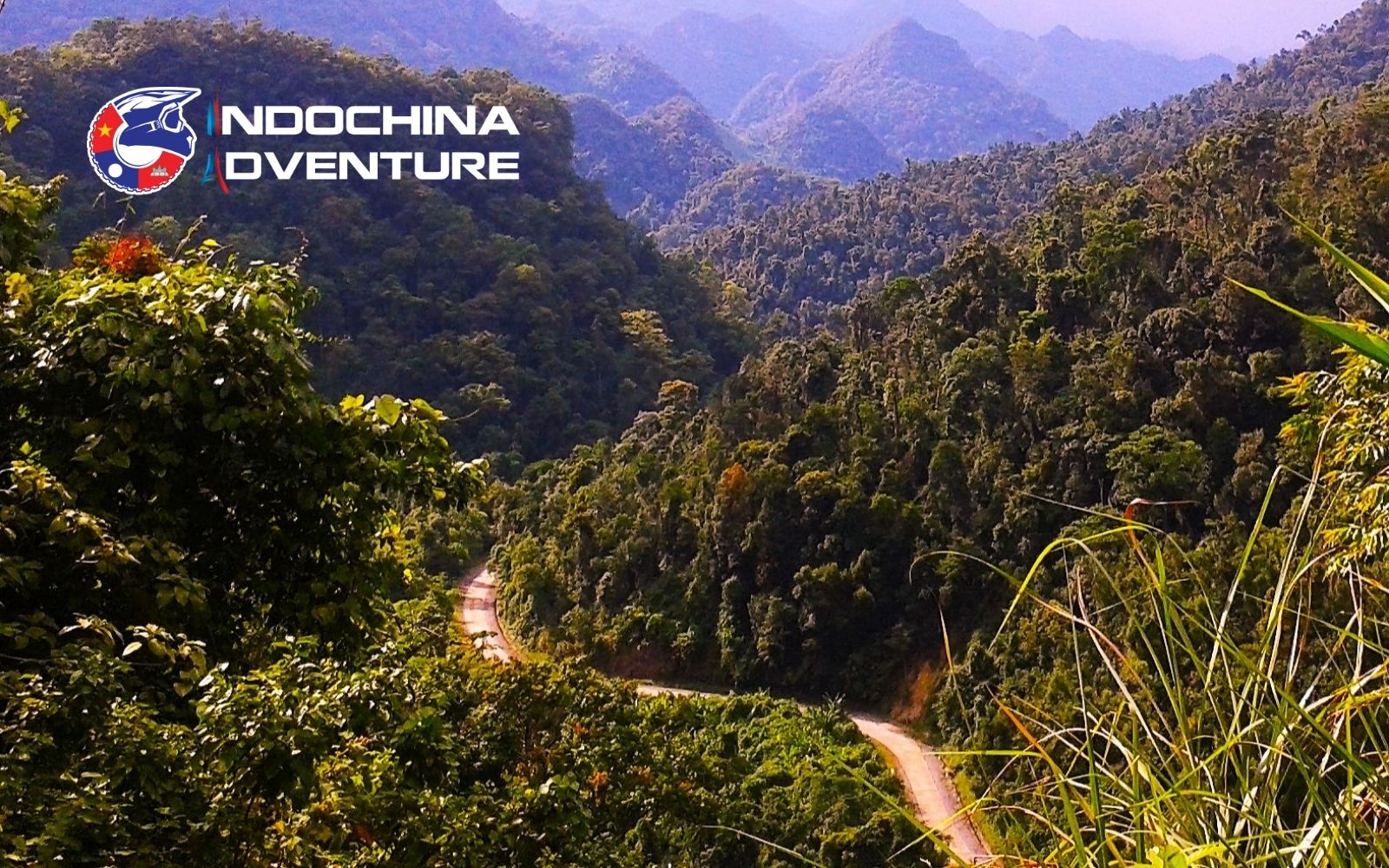
Twisting mountain curves demand focus and steady handling
By comparison: Planning a Ma Pi Leng Pass Motorbike Tour: Routes & Highlights
Lack of lighting at night
One of the biggest factors when considering “Is Ho Chi Minh Trail dangerous?” is the complete absence of street lighting across the mountain passes. Once the sun sets, the route falls into total darkness, making it impossible to spot wandering livestock, fallen rocks or sharp gravel in time to react. Riding after dusk is never recommended, as even the best headlights struggle against the pitch-black jungle night.
Poor visibility & landslides (seasonal)
During the rainy season, reduced visibility and occasional landslides become serious concerns on mountain sections of the route. Fog, mud, and fallen debris can appear suddenly after heavy rainfall, especially in remote areas. These seasonal hazards play a major role in overall Ho Chi Minh Trail safety, requiring riders to slow down and stay alert. Checking local weather conditions before each riding day is essential to minimizing risk.
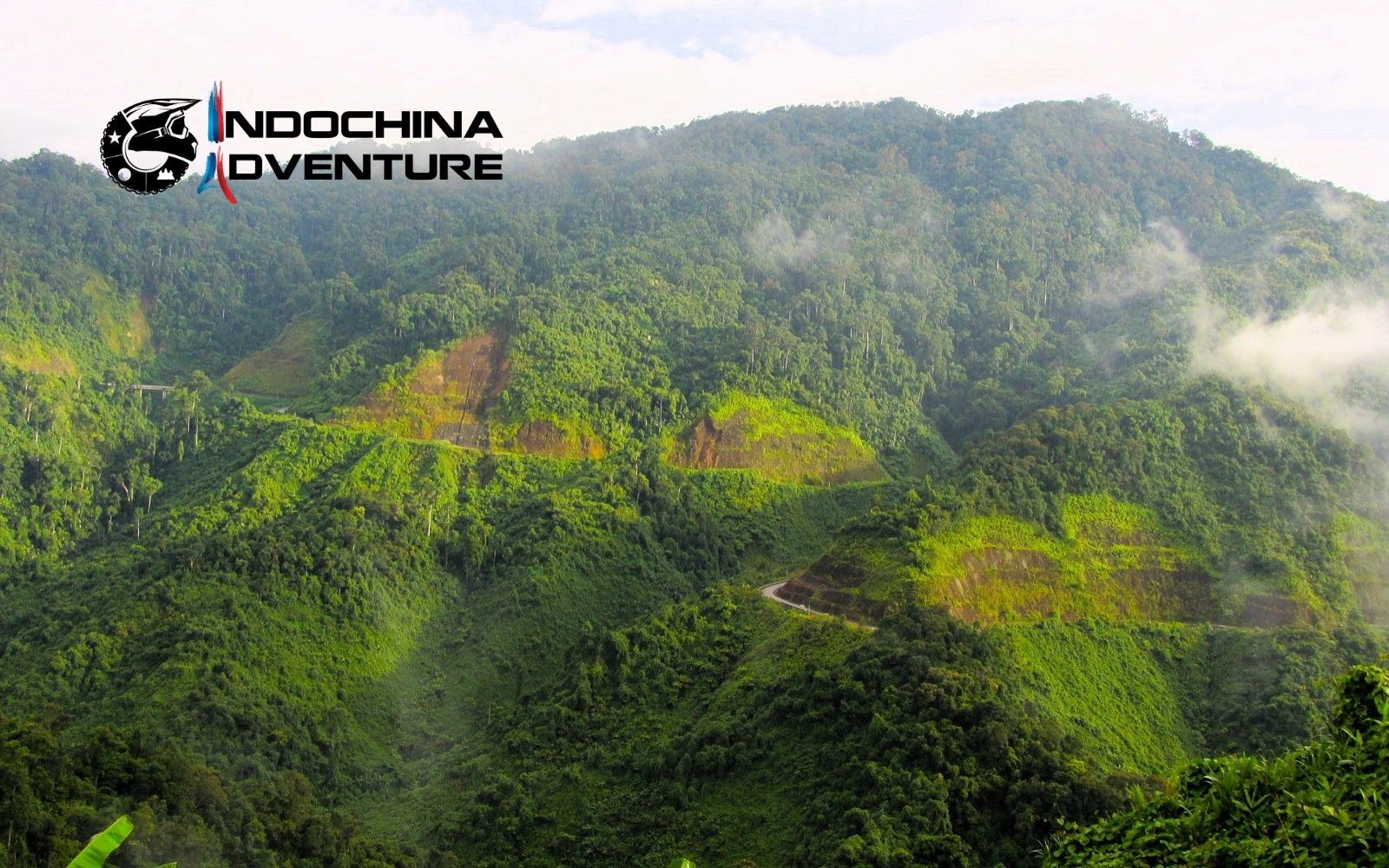
Fog and landslides affect Ho Chi Minh Trail safe conditions
Which parts of the Ho Chi Minh Trail are the most dangerous?
Not all sections of the route carry the same level of risk. While much of the journey is manageable, certain remote and mountainous stretches are commonly considered Ho Chi Minh Road dangerous due to terrain, isolation and weather exposure.
A Luoi → Khe Sanh (Remote & steep)
This section runs through dense mountains with long climbs, sharp bends, and very limited services along the way. Starting from the A Luoi corridor, which many riders reach via Hue Motorbike Tours, the road quickly becomes more isolated. Sudden weather changes and steep descents increase risk for tired or overloaded riders. Riders should start early in the day, keep fuel levels high and avoid continuing if rain or fog sets in.

Steep, isolated terrain highlights Ho Chi Minh Trail motorbike dangerous
Phong Nha → Khe Sanh (HCM West Road – stunning but isolated)
This stretch is famous for its dramatic landscapes and near-total isolation, with hours of riding between small villages or services. On roads like this, the question of whether the Ho Chi Minh Trail is dangerous becomes less theoretical and more situational. A simple breakdown or sudden storm can quickly turn into a serious challenge. Therefore, careful planning and daytime riding are essential on this section.

Stunning western route, isolated and challenging for riders
Kon Tum → Kham Duc (Mountain passes)
This segment features the infamous Lo So Pass, a long and winding stretch known for its steep gradients and unpredictable micro-climates. The road of this Vietnam mountain pass is frequently shrouded in heavy mist, and the constant series of switchbacks can quickly exhaust even seasoned riders. Because this route serves as a key mountain artery, you must stay alert for large trucks that often occupy the center of the road on narrow, blind corners.
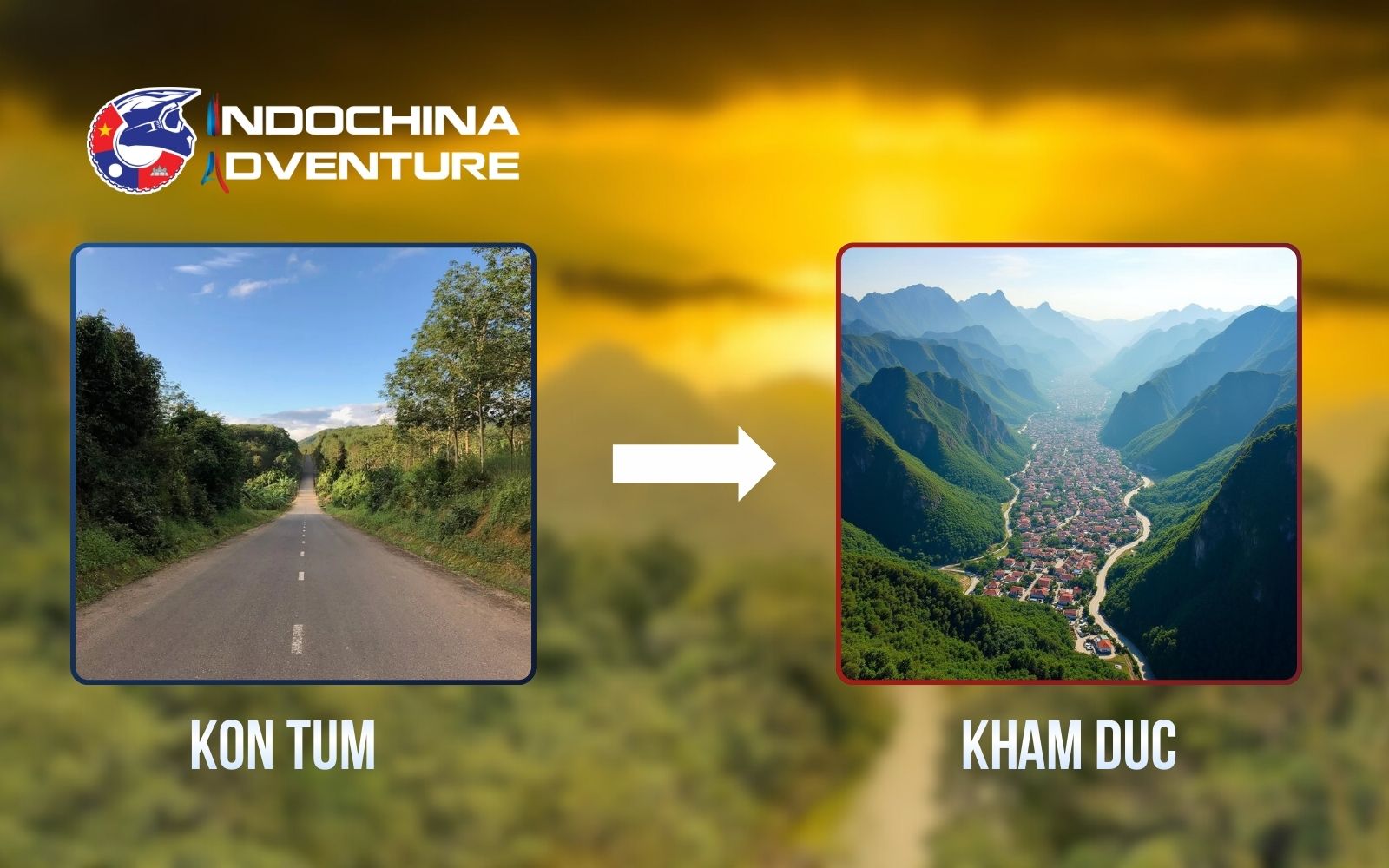
Highland passes with sharp turns challenge even seasoned riders
Another kind of ride: Hai Van Pass motorbike tour: Ride Vietnam’s most scenic mountain road
Who should (and should not) ride the Ho Chi Minh Trail?
Deciding whether to take on this journey depends heavily on your skill level and comfort with isolation. To help determine is Ho Chi Minh Trail dangerous for your specific situation, consider the following criteria:
- Who should ride: Experienced motorcyclists with strong bike control, those confident in handling manual or semi-automatic gears, and travelers who enjoy self-sufficiency and remote wilderness.
- Who should NOT ride: Complete beginners, riders who have never operated a bike over 125CC or those who feel uncomfortable being hours away from medical facilities and tourist infrastructure.
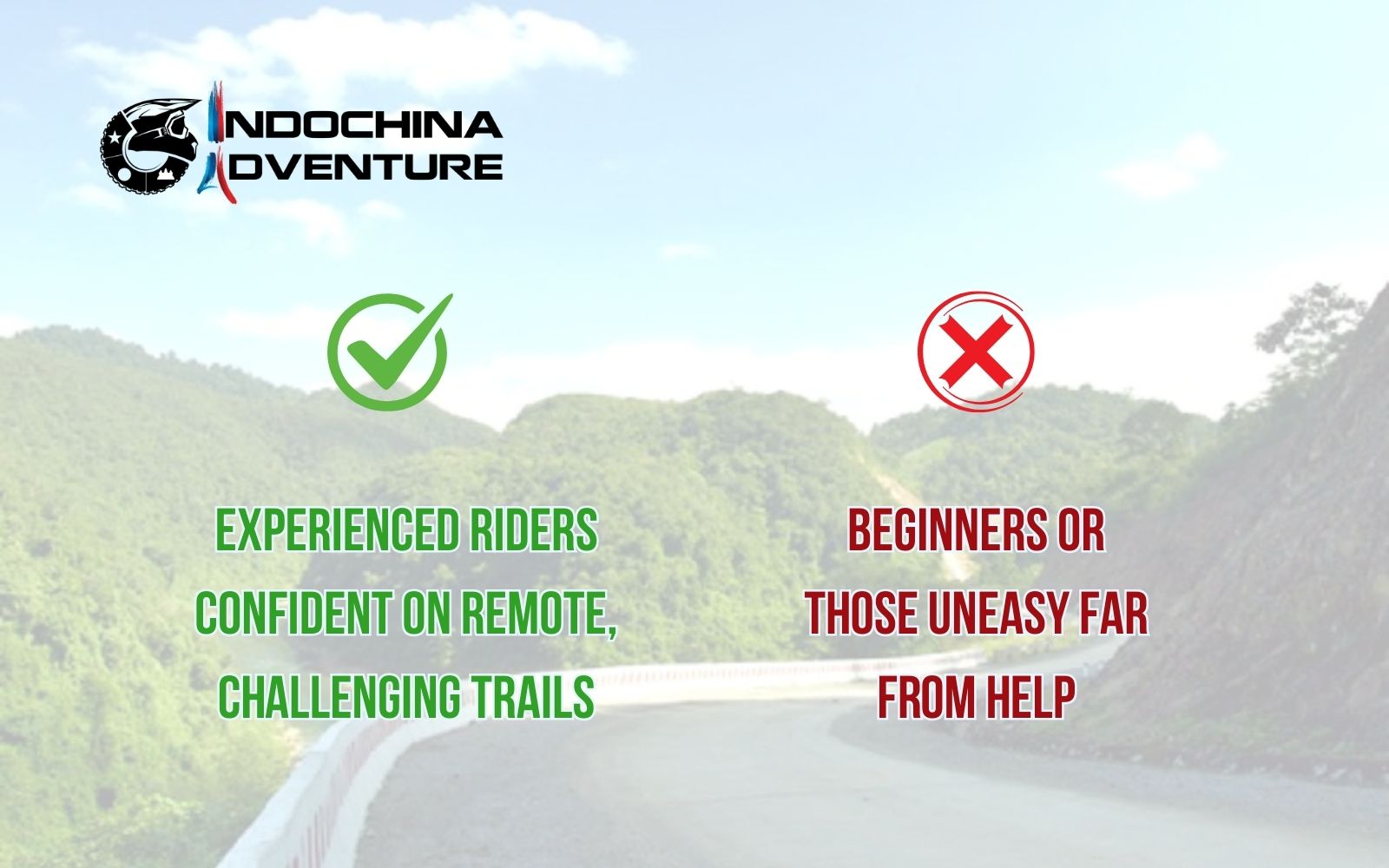
Rider experience and preparation determine trail readiness and safety
Safety depends heavily on weather – Best & worst seasons
Weather plays a decisive role in how safe or difficult the route feels on any given day. Knowing when the Ho Chi Minh Trail safe to ride is often the difference between a smooth journey and a stressful one.
- Best Season (February to May): This is the prime window with dry roads, clear skies, and cool temperatures, offering the best visibility and grip.
- Transition Season (June to August): Generally dry but extremely hot; afternoon thunderstorms are common and can make mountain passes temporarily slick.
- Worst Season (September to January): The peak rainy and “winter” season brings high risks of landslides, flooding, and dense fog that can make navigation nearly impossible.
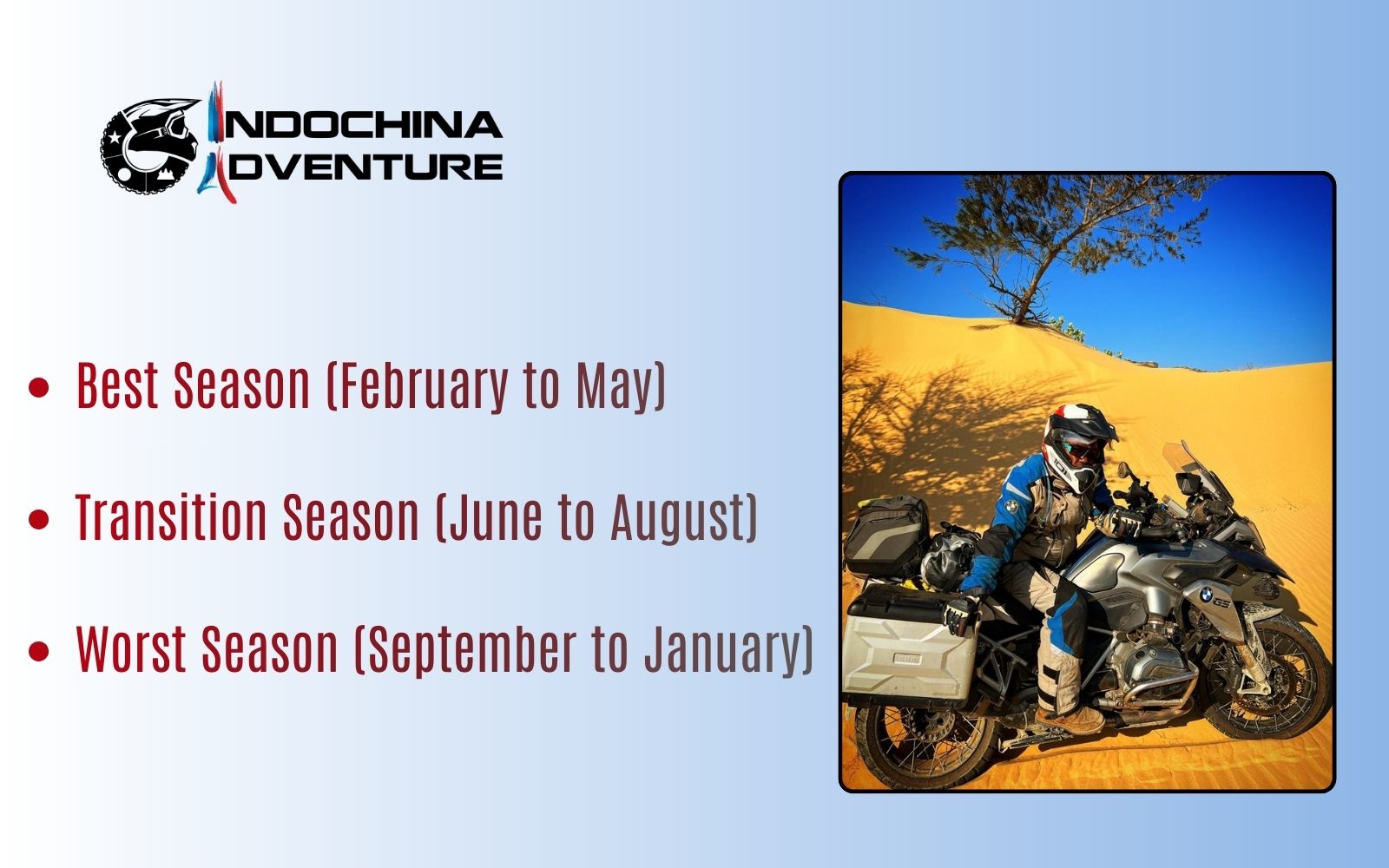
Seasonal weather greatly influences trail conditions and riding safety
How to ride the Ho Chi Minh Trail safely (Essential tips)
Riding safely on this route is less about fear and more about preparation and decision-making. For those wondering is Ho Chi Minh Trail dangerous, these practical habits make the biggest difference:
- Never ride at night: Mountain roads lack lighting and are prone to wandering livestock after dark.
- Fuel management: Top up your tank at every opportunity, on the West Road, you may go over 100km without seeing a single petrol station.
- Download offline maps: Mobile signal is non-existent in deep jungle sections so ensure you have downloaded maps and a power bank.
- Daily bike inspections: Check your tire pressure, chain tension and oil levels every morning to catch mechanical issues before they leave you stranded.
- Ride in a group: Whenever possible, travel with at least one other person to assist in case of a breakdown or a minor spill.
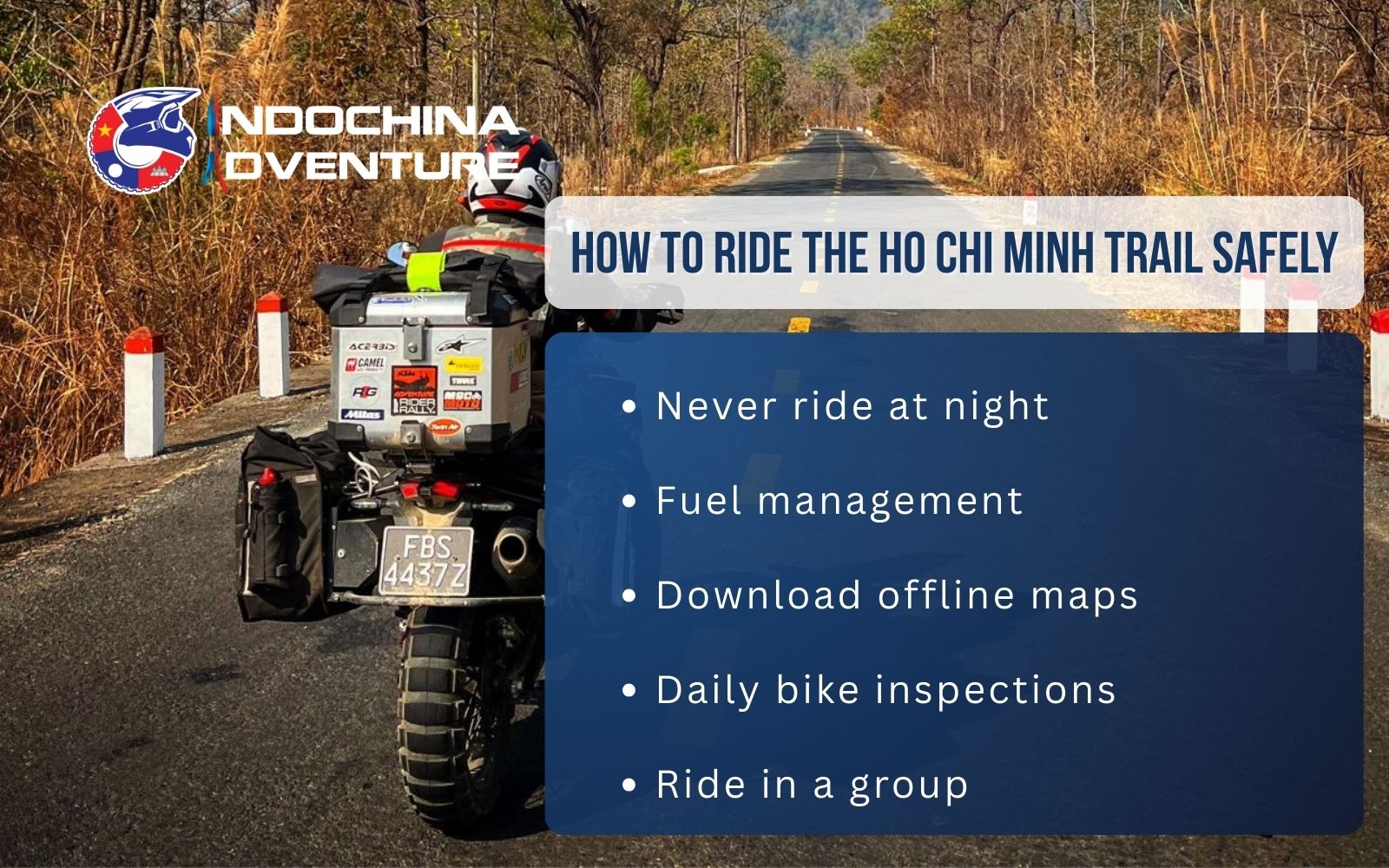
Essential practices ensure a safer, smoother motorbike adventure
Explore the Ho Chi Minh Trail safely With Indochina Adventure
Conquering the Ho Chi Minh Trail is a bucket-list adventure, but to truly immerse yourself in its majestic beauty without the stress of hidden risks, riding with a professional team is the ultimate way to go. At Indochina Adventure, we provide an authentic experience, guiding you through the winding Truong Son mountains with expert knowledge of every curve and hidden stop. We provide the best lightweight motorcycles that are perfectly suited for these mountain terrains, nimble enough to handle sharp switchbacks yet robust enough for long-distance endurance.
Instead of stressing over steep passes or unpredictable weather, you can fully lose yourself in the vast landscapes, breathe in the fresh forest air and discover remote ethnic villages that remain untouched by time. With high-quality safety gear, meticulously maintained bikes, and a scientifically planned itinerary, Indochina Adventure transforms the trail’s challenges into priceless memories. Let us handle the logistics, from hot meals in the wild to secure overnight stays, allowing you to confidently write the most thrilling chapter of your Vietnamese travel story.

Experience Vietnam’s Ho Chi Minh Trail safely with Indochina Adventure
FAQs – Is the Ho Chi Minh Trail dangerous?
1. Is the Ho Chi Minh Trail safe for beginners?
Generally, no. The combination of steep mountain gradients, sharp hairpins, and extreme isolation requires confident bike control.
2. Can you do the route solo?
It is possible but risky, especially on the HCM West section. If you go solo, you must be mechanically self-sufficient, carry extra fuel, and have an offline GPS, as there is no help or cell signal for hundreds of kilometers.
3. How many days do you need?
Most riders take 7 to 10 days to complete the trail comfortably, depending on pace and stops.
4. Which section is the safest?
The eastern route (HCM East Road) is the safest, with better road conditions, more towns and services.
5. Are there police checkpoints?
Yes, but they are routine, so carrying proper documentation and following local traffic laws in Viet Nam is sufficient.
6. Is the Ho Chi Minh Trail safer than the Ha Giang Loop?
Safety depends heavily on weather, experience, and the specific route; the HCM Trail features much longer, uninhabited stretches, while a typical Ha Giang Loop tour involves navigating sharper curves and significantly higher traffic volumes.
The question “is Ho Chi Minh Trail dangerous” highlights the need for preparation, skill and awareness of conditions. With careful planning, suitable gear and knowledge of seasonal hazards, riders can safely experience this legendary route. For a fully supported journey, Indochina Adventure provides expert guides and logistics, ensuring a seamless ride. Contact now to book your tour and enjoy the trail with confidence.



Latest posts

Is Ma Pi Leng Pass Really Dangerous or Just Intimidating?
 Date: 20/01/2026

Best Food in Sapa: 15+ Must-Try Dishes You Shouldn’t Miss
Date: 20/01/2026
What to Pack for Moc Chau Plateau – Essential Packing List
Date: 20/01/2026
Ha Giang Vs Ninh Binh: Which One Is Better For Your Trip?
Date: 20/01/2026

Ha Giang Loop Or Cao Bang Loop? A Clear Decision Guide For Travelers
Date: 20/01/2026
Ha Giang Loop Nightlife: Is It Fun or Totally Quiet?
Date: 20/01/2026
Maybe You Don’t Know
Is Ma Pi Leng Pass Really Dangerous or Just Intimidating?
For many riders planning the Ha Giang Loop, the big question is is Ma Pi…
Date: 20/01/2026

Best Food in Sapa: 15+ Must-Try Dishes You Shouldn’t Miss
Famous for misty mountains and ethnic cultures, Sapa is also a paradise for travelers seeking…
Date: 20/01/2026
What to Pack for Moc Chau Plateau – Essential Packing List
Moc Chau Plateau is a dream destination for nature lovers, famous for its rolling tea…
Date: 20/01/2026
Ha Giang Vs Ninh Binh: Which One Is Better For Your Trip?
Northern Vietnam is home to two of the most iconic landscapes in Southeast Asia, yet…
Date: 20/01/2026
Ha Giang Loop Or Cao Bang Loop? A Clear Decision Guide For Travelers
Northern Vietnam offers some of the most spectacular motorbike routes in Southeast Asia, and two…
Date: 20/01/2026
Ha Giang Loop Nightlife: Is It Fun or Totally Quiet?
After a long day of navigating limestone pinnacles and hair-raising mountain passes on adventure motorcycle…
Date: 20/01/2026