How to stay safe and avoid police checkpoints on the Ha Giang Loop


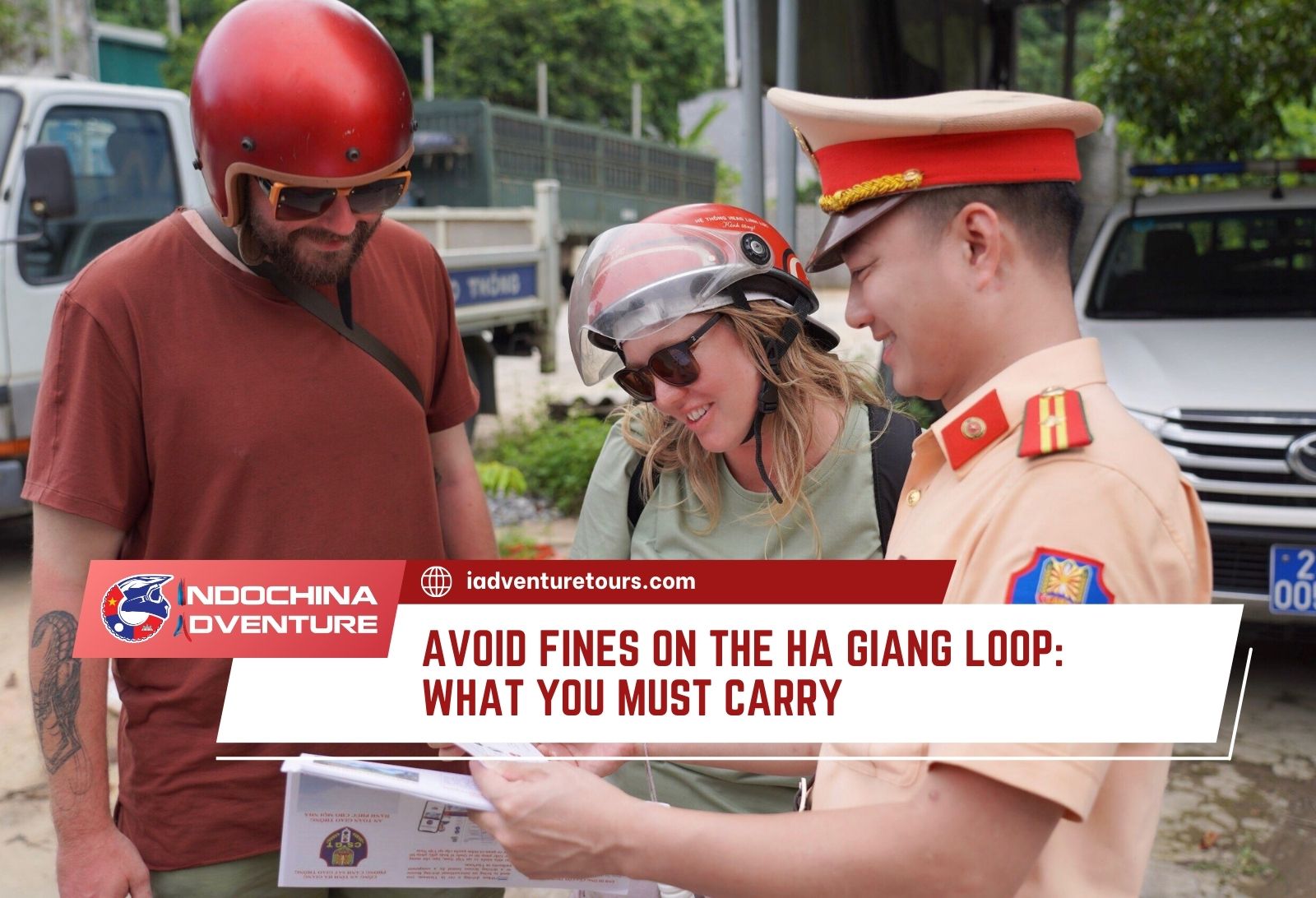
Riding the Ha Giang Loop is a bucket-list experience, but the last thing you want is for a minor document issue to halt your adventure. Many travelers worry about encountering a police checkpoint in Ha Giang loop, which is a reality of driving in this spectacular region. These checks exist for safety and compliance, making preparation essential for every foreign rider joining off road motorcycle adventure tours. Don’t let uncertainty slow you down! This comprehensive guide of Indochina Adventure will detail every key location and document required so you know exactly how to pass police checkpoints on Ha Giang loop.
Do police checkpoints exist on the Ha Giang Loop?
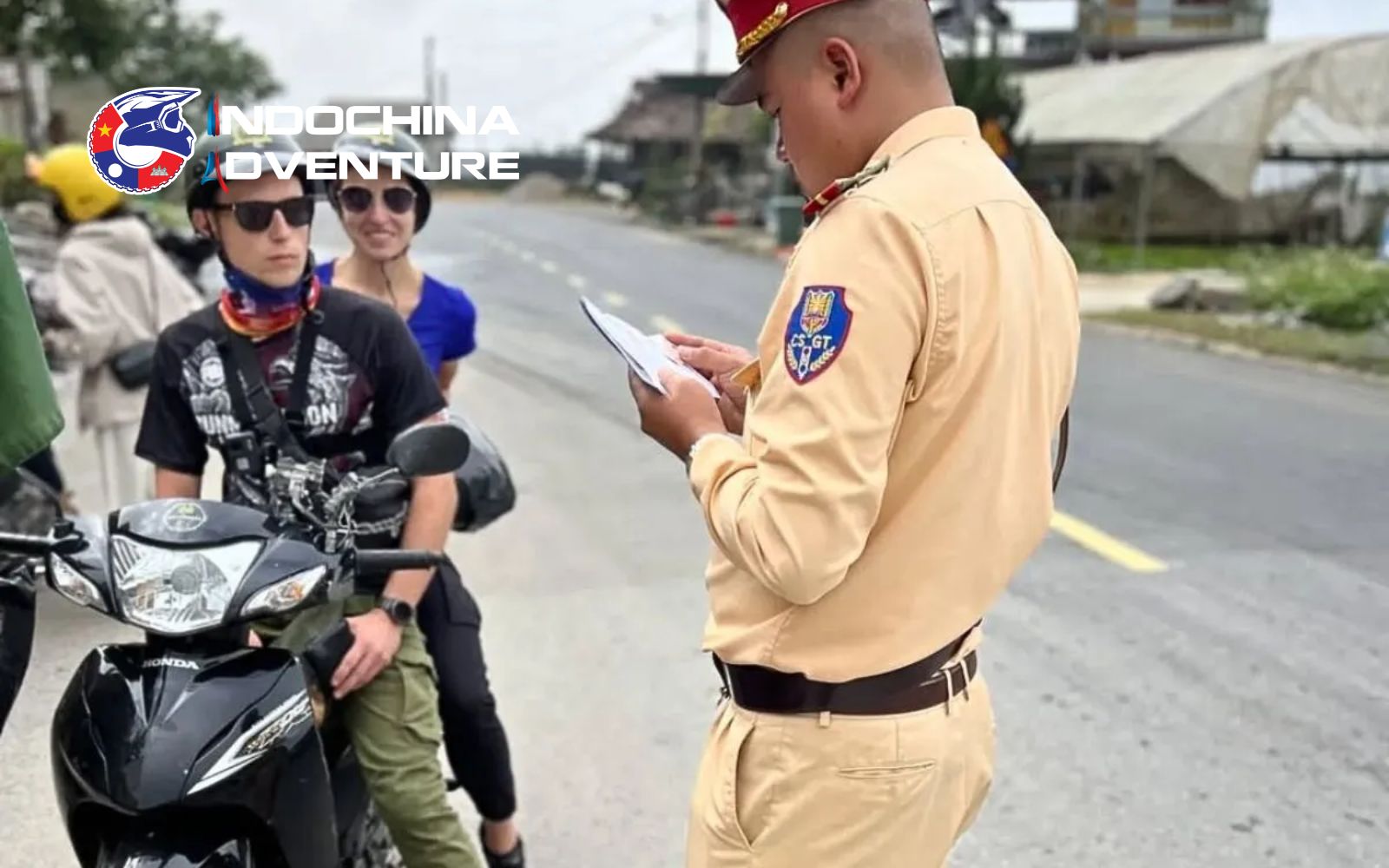
Yes, police checkpoints on Ha Giang loop tour do exist, but they are not everywhere and are generally calm and non-aggressive. These checkpoints are mainly set up to ensure road safety, check driving licenses, and manage the growing number of motorbikes on mountain roads. In most cases, officers are friendly and professional, especially with tourists who cooperate. During peak tourist seasons, weekends, and public holidays, police checkpoints on the Ha Giang loop are more common due to increased traffic and accident prevention efforts.
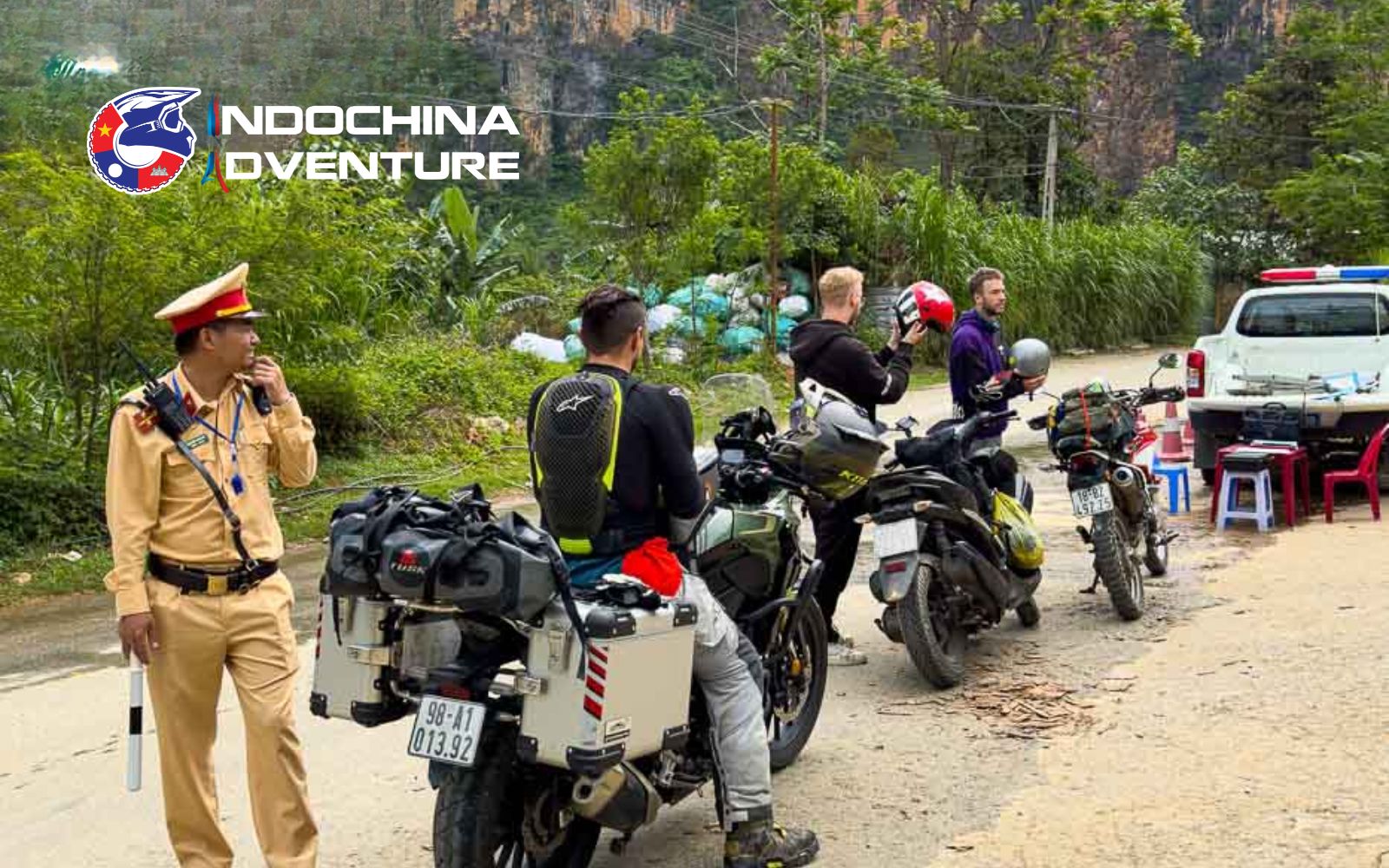
Be prepared! Police checkpoints on the Ha Giang loop are real, especially during peak travel times
Read more: What to Know Before Riding a Motorbike in Vietnam?
Where are the police checkpoints on Ha Giang Loop?
Knowing the general locations where authorities might set up a police checkpoint Ha Giang is helpful, but remember that locations can change daily. This is not a definitive Ha Giang loop police checkpoints map, but highlights common spots you must noticed for your motorbike tours in Vietnam:
Near Quan Ba Heaven Gate Area
This is a critical area, often featuring a police checkpoint in North Vietnam motorbike tour right at the entry point to the high mountain section after passing Quan Ba town. Officers strategically check for valid licenses (especially IDPs) and vehicle registration (Blue Card) as you begin the ascent.

The Quan Ba area is a frequent police checkpoint in Ha Giang loop as you enter the mountainous terrain
Yen Minh → Dong Van Stretch
Expect potential checks along the main road of Highway 4C, particularly near the intersections leading into Yen Minh or major rest stops. These police checkpoints on route to Ha Giang often focus on speed enforcement and ensuring mandatory helmet use.
Dong Van Town Entrance / Exit
As the administrative and tourism hub of the geo-park, checks are frequently set up either upon entering or leaving Dong Van town. This Ha Giang police stop location aims to monitor the high volume of tourist traffic, verifying bike safety and necessary documents.
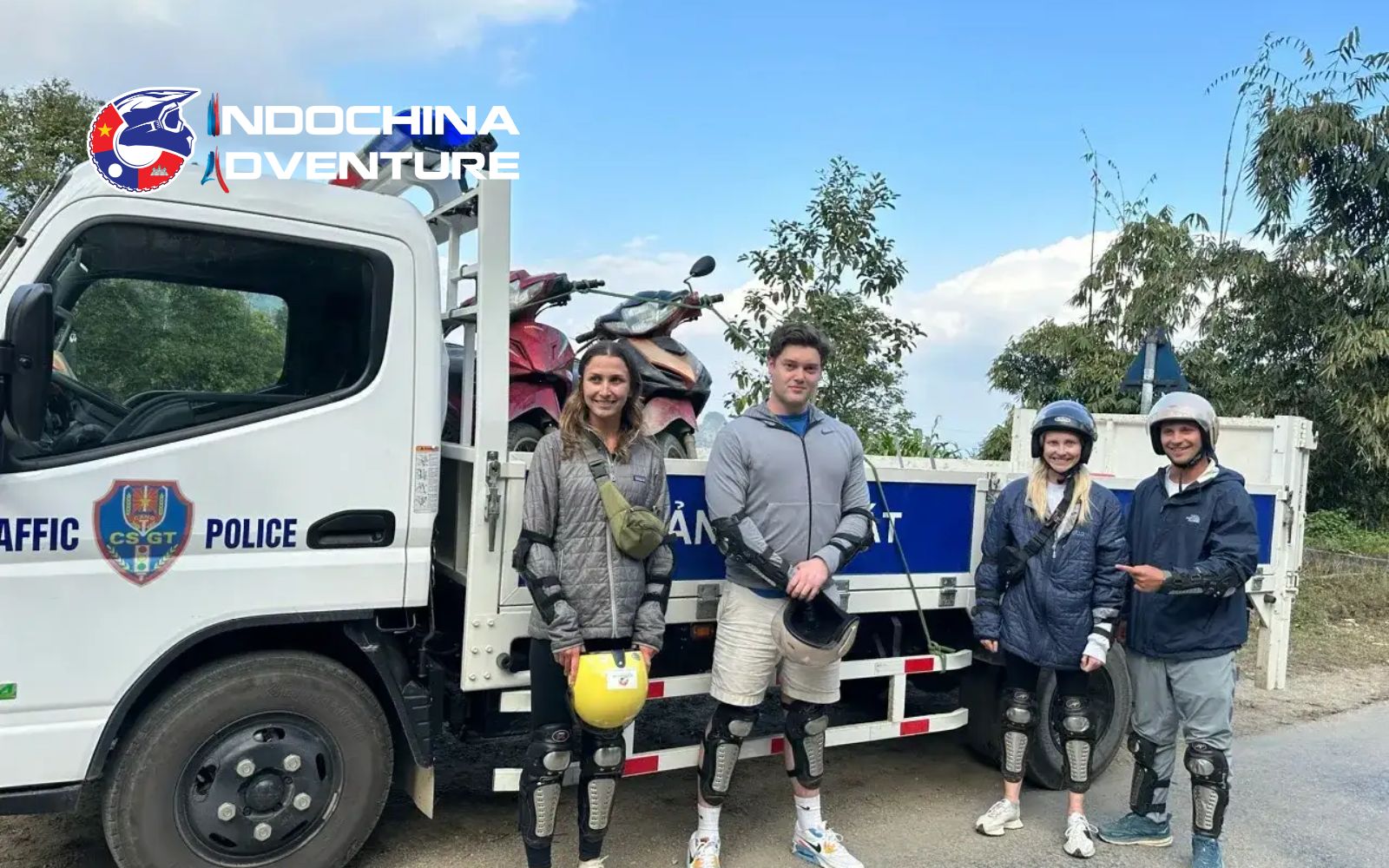
Checks are common at the edges of Dong Van town to manage tourist traffic flow
Tham Ma Pass Area
While less common right on the winding pass itself, temporary motorbike checkpoints Ha Giang may appear on the flatter sections of road immediately preceding or following the pass. The checks here are often quick stops focused on helmet quality and license validity before riders proceed to high-risk mountain roads.
Meo Vac (especially near Ma Pi Leng Pass)
The town of Meo Vac and the junction leading to the famous Ma Pi Leng are key areas for regulatory police checkpoints on Ha Giang loop. Given the proximity to the border and the challenging nature of the road, officers here often look for the Border Zone Travel Permit in addition to general riding compliance.
The Meo Vac area, including roads near Ma Pi Leng, is a key location for motorbike checkpoints Ha Giang
Border Zone Near Lung Cu & Lo Lo Chai
As a sensitive border area, this zone often has a permanent Ha Giang police checkpoint. Officers usually check passports and the mandatory border travel permit rather than driving skills.
In general, Ha Giang loop checkpoints are more common during peak tourist seasons, weekends, and Vietnamese public holidays, when traffic volume and safety risks increase significantly
What documents do you need at police checkpoints on Ha Giang Loop?
Being fully prepared with the right paperwork is the best way to know how to pass police checkpoints on Ha Giang loop quickly and without hassle. Ensure you have originals or high-quality digital copies of the following documents to present upon request during your Northeast Vietnam motorbike tour:
Passport or Passport Photo (Digital Copy)
Police use your passport to verify identity, especially at major Ha Giang license check locations and town entrances. A clear digital copy on your phone is usually accepted, though carrying the original is safest.
- Document Needed: Original passport or clear photo on phone
- Cost: Free
- If missing: Warning or request to return to town for verification
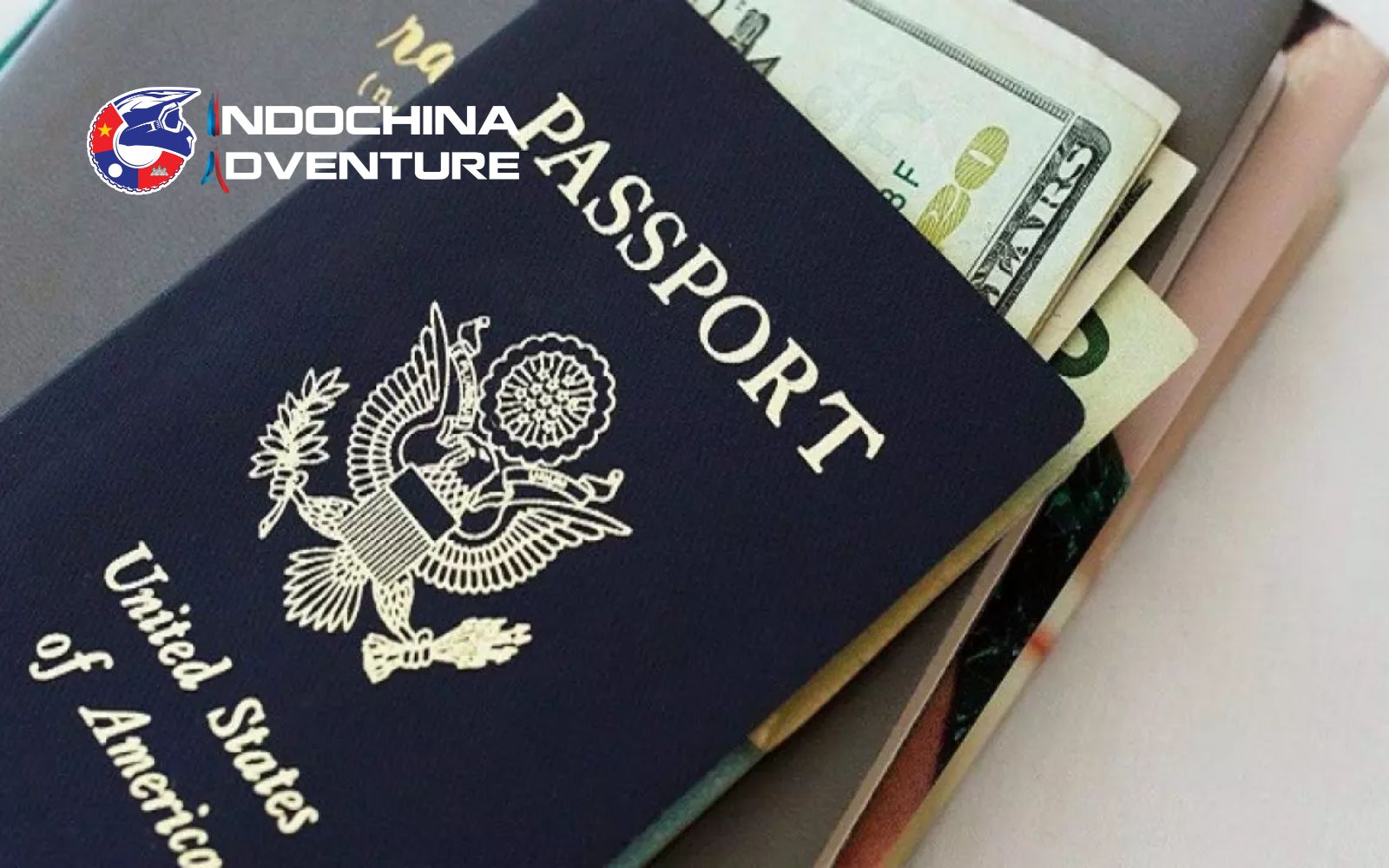
Keep your ID handy, you must be able to prove your identity instantly at any check
Valid driving license + International driving permit (IDP)
This is the key requirement during any Ha Giang loop license check. Vietnamese traffic law requires foreign riders to carry both their home license and a 1968-format International Driving Permit (IDP).
- Document Needed: Home country driving license + 1968 International Driving Permit
- Cost: Usually USD 20–40 (issued in your home country before arrival)
- If missing: Fine typically 1,000,000–1,500,000 VND at police checkpoints Ha Giang loop
Motorbike rental agreement
The rental agreement confirms the bike is legally rented and is commonly checked at a police checkpoint Ha Giang loop. Reputable rental shops in Ha Giang always provide this document.
- Document Needed: Printed or digital motorbike rental agreement
- Cost: Free (included with rental)
- If missing: Possible fine or temporary motorbike detention
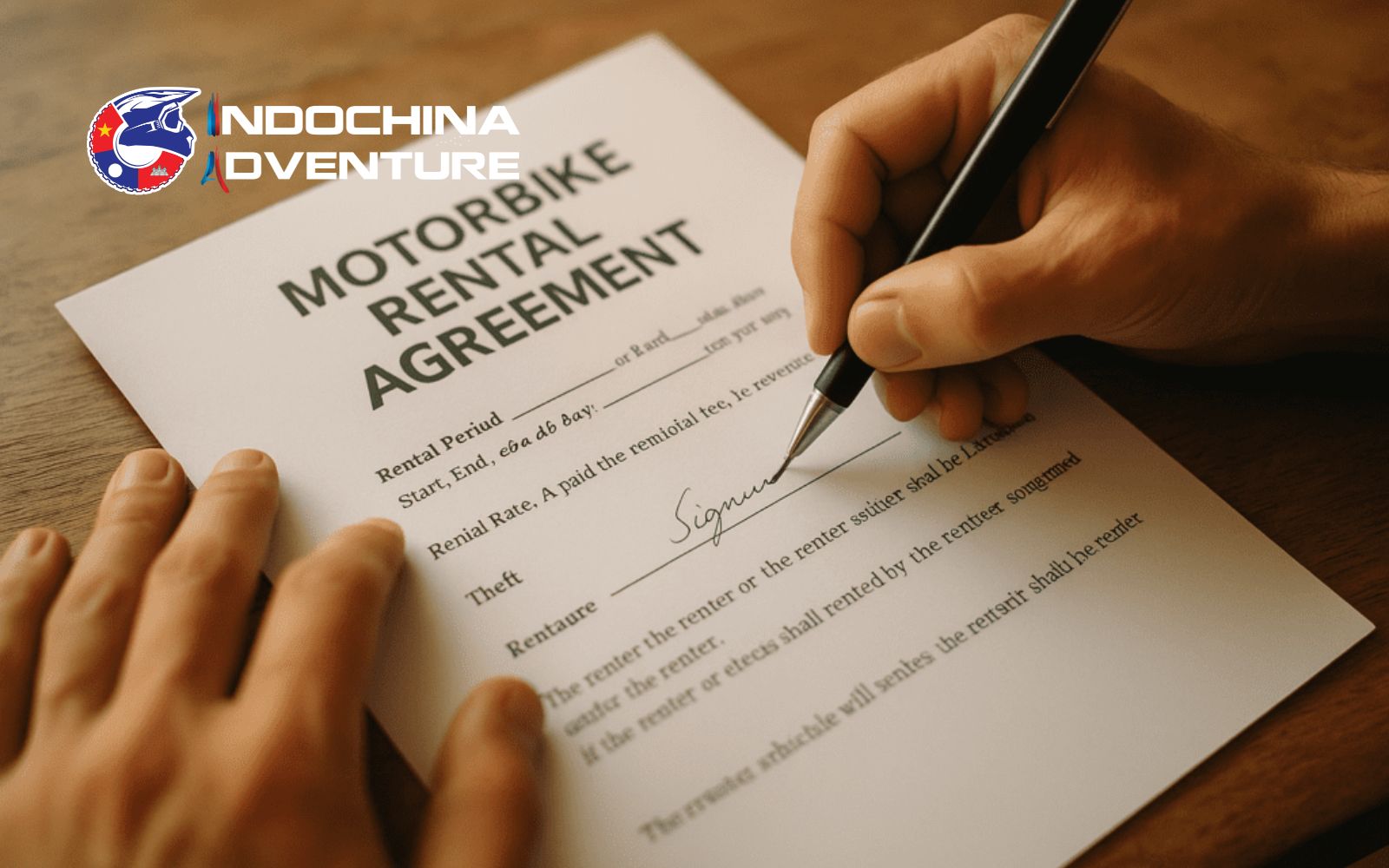
Carry your rental contract to confirm the legal status and ownership of your bike
Blue card registration (Provided by Rental Shop)
The blue card is the motorbike’s official registration and is frequently requested at motorbike checkpoints Ha Giang. Rental shops usually give a photocopy rather than the original.
- Document Needed: Blue card registration copy
- Cost: Free
- If missing: Fine may be issued depending on the checkpoint and office
What happens if police stop you on the Ha Giang Loop?
If you encounter a Ha Giang loop police stop, staying calm and cooperative is the best way to pass smoothly. Based on real traveler experiences and local guidance, here’s what usually happens at police checkpoints on Ha Giang loop and how you should respond:
Typical questions officers ask
At most police checkpoint Ha Giang loop locations, officers will ask simple questions such as where you are going, where you rented the bike, and to see your license. Communication is usually basic and straightforward, often using simple English or gestures. The best way to pass is to smile, answer honestly, and hand over your documents neatly without arguing.
Fines you may receive
Fines are most commonly issued for missing IDP, improper helmets, or incomplete bike documents during a Ha Giang loop license check. Officers normally explain the issue and the fine amount clearly. You can avoid this situation by preparing all required documents in advance and following traffic rules when passing police checkpoints Ha Giang loop.
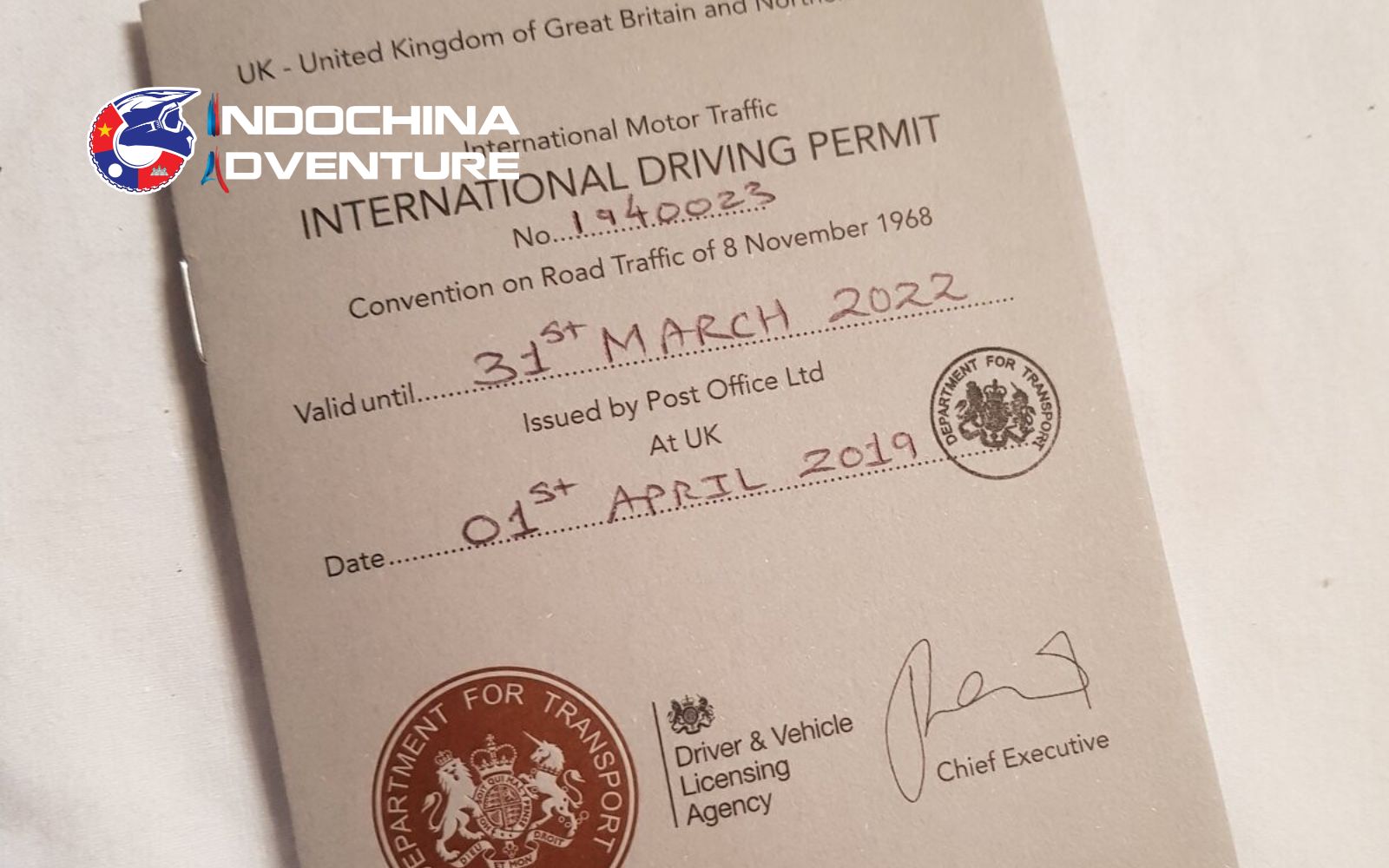
Avoid costly fines by ensuring your IDP is valid and your helmet is secure
What if you don’t have an IDP?
If you don’t have an IDP, police will usually inform you that you are riding illegally under Vietnamese law. In many cases, a fine will be issued, and you may be advised not to continue riding. The safest way to pass this situation is to remain polite, accept the decision calmly, and avoid arguing at the Ha Giang police checkpoint.
How to avoid issues at police checkpoints on Ha Giang Loop
Passing police checkpoints on Ha Giang loop smoothly is mostly about preparation, attitude, and riding responsibly. Travelers who understand the rules and respect local regulations rarely face serious problems. Follow the practical Ha Giang travel tips below to minimize risks and ride the loop with confidence:
- Keep all important documents together in a waterproof pouch so you can show them quickly when asked.
- Always wear a proper helmet and protective gear to avoid attention from traffic police.
- Make sure your driving license and International Driving Permit are valid before starting the loop.
- Rent your motorbike from a reputable shop that provides full legal paperwork.
- Follow speed limits, especially near towns, intersections, and downhill sections.
- Avoid riding at night, when visibility is poor and accident risk is higher.
- Never try to turn around or avoid a checkpoint, as this often raises suspicion.
- Ask your rental shop or tour operator about common police stop areas before you ride.
- Stay calm, polite, and cooperative if stopped, respectful behavior goes a long way.
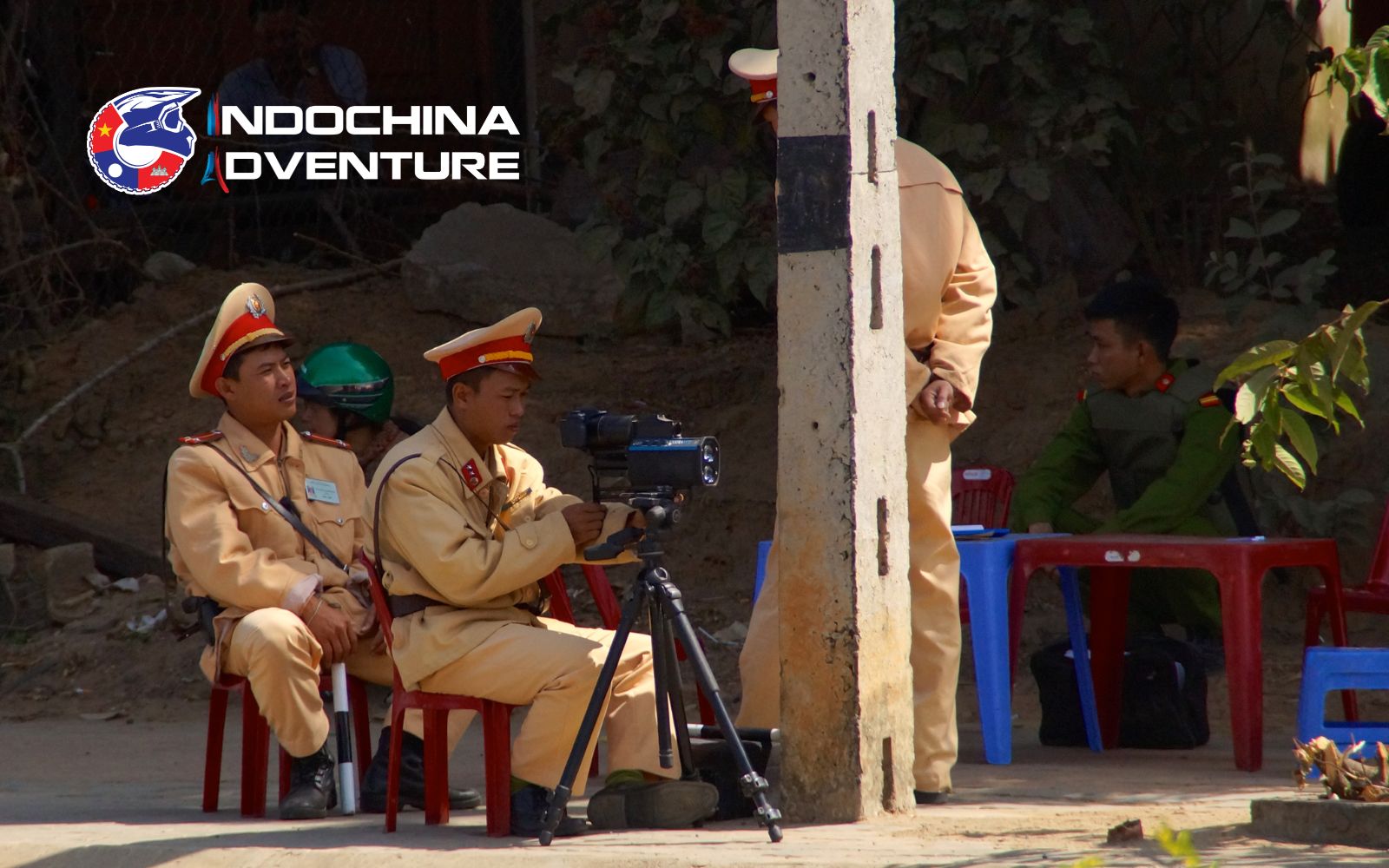
Follow these essential tips to ensure a legal and stress-free adventure
Ride the Ha Giang Loop with Confidence: Let Indochina Adventure Handle the Routes, Rules & Local Checkpoints
If you want to enjoy the Ha Giang Loop without worrying about paperwork, routes, or unexpected police stops, Indochina Adventure is the smart choice. With years of local experience, the team understands where checks commonly happen and how to plan routes that are both scenic and compliant with local regulations.
By riding with Indochina Adventure, you get legally registered motorbikes, complete documentation, and up-to-date guidance from locals who know the area inside out. Whether you choose a guided tour or supported self-ride, everything is arranged so you can focus on the mountains, not the rules.
Ride with confidence, ride legally, and enjoy the Ha Giang Loop the right way. Contact Indochina Adventure today to plan a safe and unforgettable journey.

Travel with Indochina Adventure and let us handle the police checkpoints on the Ha Giang loop hassle for you
FAQs About Police Checkpoints on Ha Giang Loop
1. Are there police checkpoints at Ma Pi Leng pass?
Yes. Ma Pi Leng Pass is one of the most common areas where police may stop riders, especially during busy tourist seasons and weekends.
2. Are police in Ha Giang strict with foreign riders?
Police are generally professional and fair. Riders with proper documents and safe riding behavior rarely face serious issues.
3. Do I need an IDP for Ha Giang?
Yes. Under Vietnamese law, foreign riders must have a valid driving license and a 1968-format International Driving Permit
4. What if I get fined in Ha Giang loop?
If fined, stay calm, follow instructions, and pay the official fine if required. Avoid arguing or offering unofficial payments
5. Are checkpoints frequent at Ma Pi Leng?
They are not constant, but checks appear regularly during peak travel periods due to traffic volume and safety concerns
6. How do police treat tourists in Ha Giang loop?
Most officers are polite and helpful, especially toward cooperative and respectful tourists.
7. Can I avoid checkpoints legally in Ha Giang loop?
You should not try to avoid checkpoints. The legal way to pass them is to carry the correct documents and follow traffic laws.
Riding the Ha Giang Loop becomes far more enjoyable when you understand how police checkpoints on Ha Giang loop work and prepare properly in advance. With the right documents, safe riding habits, and a respectful attitude, most checkpoints are quick, routine, and stress-free. For the safest and easiest way to handle police checkpoints on Ha Giang loop, choose Indochina Adventure and let local experts manage the routes, rules, and on-the-road support for you.



Latest posts
Cao Bang to Ha Giang Motorbike Route: Northern Vietnam Loop Guide
 Date: 20/09/2026

Cambodia Adventure Motorbike Tour: Angkor and Beyond
Date: 18/09/2026

Crossing Borders: The Vietnam to Laos Motorbike Paperwork Guide
Date: 16/09/2026
Bigbike vs Dirtbike Tours in Vietnam: Which One Should You Book?
Date: 12/09/2026

Laos Motorbike Tour: The Best Routes Through North and South Laos
Date: 10/09/2026
Maybe You Don’t Know
Cao Bang to Ha Giang Motorbike Route: Northern Vietnam Loop Guide
The Cao Bang to Ha Giang motorbike route as one 8-day loop: stages, distances, real…
Date: 20/09/2026

Cambodia Adventure Motorbike Tour: Angkor and Beyond
A Cambodia motorbike tour guide: Angkor, the temples beyond the park, the red dirt northern…
Date: 18/09/2026
Crossing Borders: The Vietnam to Laos Motorbike Paperwork Guide
What a Vietnam Laos border motorbike tour needs: visas, vehicle papers, which crossings take motorbikes,…
Date: 16/09/2026
Ninh Binh by Motorbike: Tam Coc, Trang An and the Roads Most People Miss
A Ninh Binh motorbike tour guide: the Tam Coc and Trang An loop, the quiet…
Date: 14/09/2026
Bigbike vs Dirtbike Tours in Vietnam: Which One Should You Book?
Bigbike vs dirtbike tour Vietnam: an honest comparison of terrain, riding demand, comfort and cost…
Date: 12/09/2026
Laos Motorbike Tour: The Best Routes Through North and South Laos
A Laos motorbike tour guide covering the northern mountain loops and the southern Thakhek and…
Date: 10/09/2026