How Dangerous Is the Hai Van Pass? A Complete Safety Breakdown


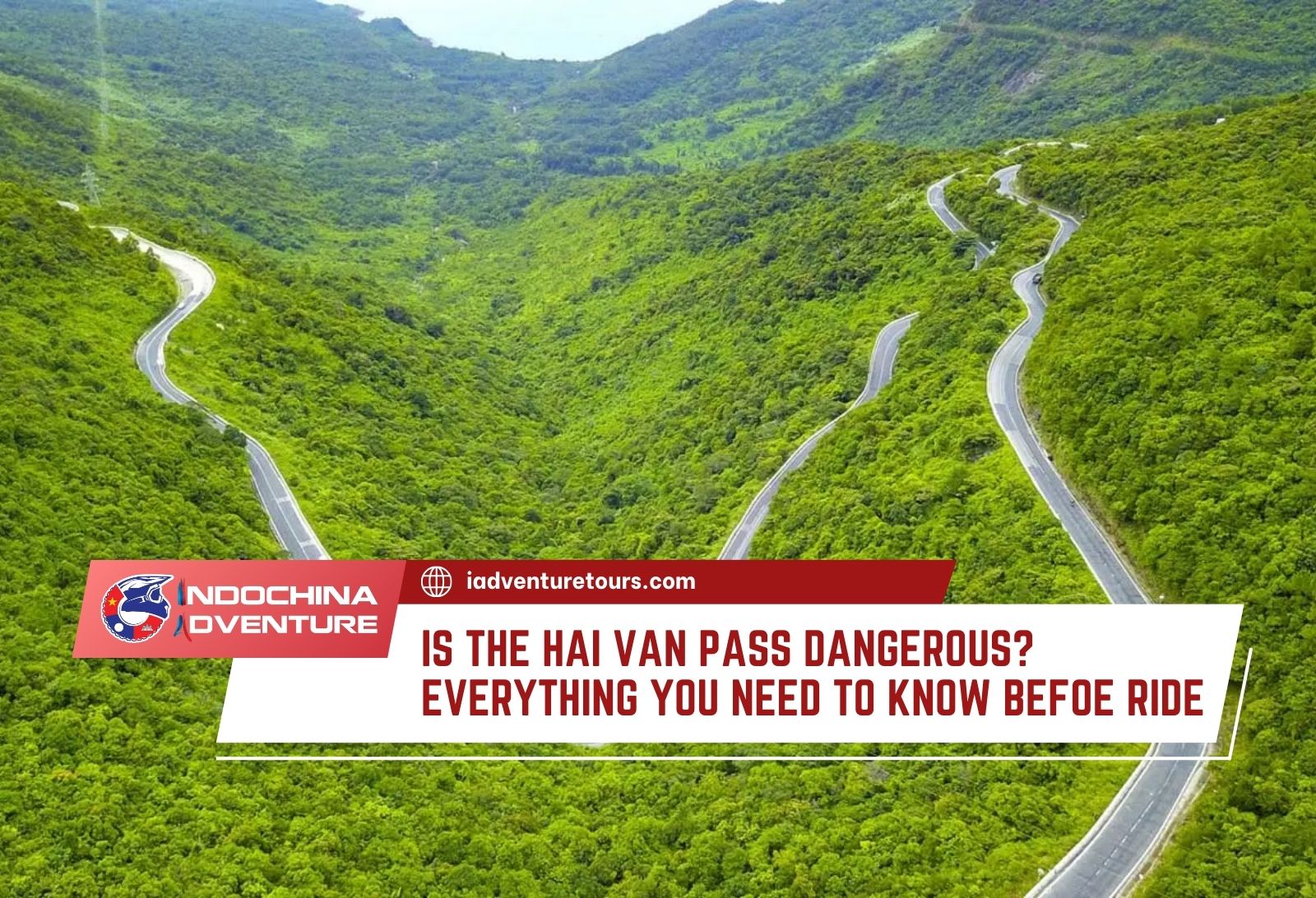
If you’ve ever dreamed of conquering the Hai Van Pass, chances are you’ve also wondered: is the Hai Van pass dangerous? Known for its sharp curves and breathtaking views, this legendary route often earns an unfair reputation. In reality, the Hai Van Pass safe to ride for most travelers, especially with the right preparation. Here’s a complete safety breakdown of Indochina Adventure to help you enjoy Vietnam’s most iconic off road motorcycle adventure tours without worry.
Is the Hai Van Pass dangerous? The real truth?
For seasoned travelers familiar with mountain or coastal roads while joining motorbike tours in Vietnam, the Hai Van Pass is safe to ride and incredibly rewarding. The pavement is smooth, traffic is moderate, and road conditions have improved significantly in recent years. Most experienced riders find the pass less intimidating than expected. The real key is respecting the curves and maintaining a steady speed, overconfidence, not the road itself, causes most Hai Van Pass accidents.

Is the Hai Van pass dangerous or not?
For those new to motorbikes, the Hai Van Pass dangerous road reputation often comes from stories of steep turns and foggy descents. In reality, challenges during the Hai Van pass motorbike tour are manageable with basic training and caution. Beginners should take their time, avoid riding in poor weather, and never rush downhill. Most incidents occur due to inexperience or speeding, not because the Hai Van Pass is it dangerous by nature.
If you’re still unsure if it is safe to drive to Hai Van Pass on your own, the best option is to join a guided tour. Indochina Adventure offers professionally organized rides with expert local guides, quality motorbikes, and full safety support, allowing you to enjoy the scenery of Vietnam coastal roads while they handle the rest. Book your Hai Van Pass motorbike tour with Indochina Adventure today and experience Vietnam’s most scenic ride in total safety and comfort.
Common safety challenges on the Hai Van Pass
Even though the Hai Van Pass is now largely free of heavy commercial traffic, riders must still be aware of specific geographical and environmental factors that can impact Hai Van Pass safety. Being prepared for these common challenges is essential for a smooth and enjoyable trip, ensuring you keep your focus on the stunning scenery rather than unexpected hazards.
Sharp turns and steep descents
The Hai Van Pass features winding corners and sudden slopes that demand careful control. Slow down before every curve and use both brakes evenly to prevent skidding or losing balance, a key factor in avoiding Hai Van Pass accidents during your Hue motor tour.

Stay in control through winding curves and sharp mountain drops
Fog and low visibility
Thick morning fog can appear without warning, especially during the cooler months. Reduced visibility makes it harder to spot incoming traffic or sharp bends, so always keep headlights on and reduce speed for better Hai Van Pass travel safety.
Strong winds on mountain sections
High-altitude areas of the pass often face strong crosswinds that can push lighter bikes off balance. Keep a steady grip on the handlebars and avoid riding too close to the edge to ensure your Hai Van Pass motorbike safety.
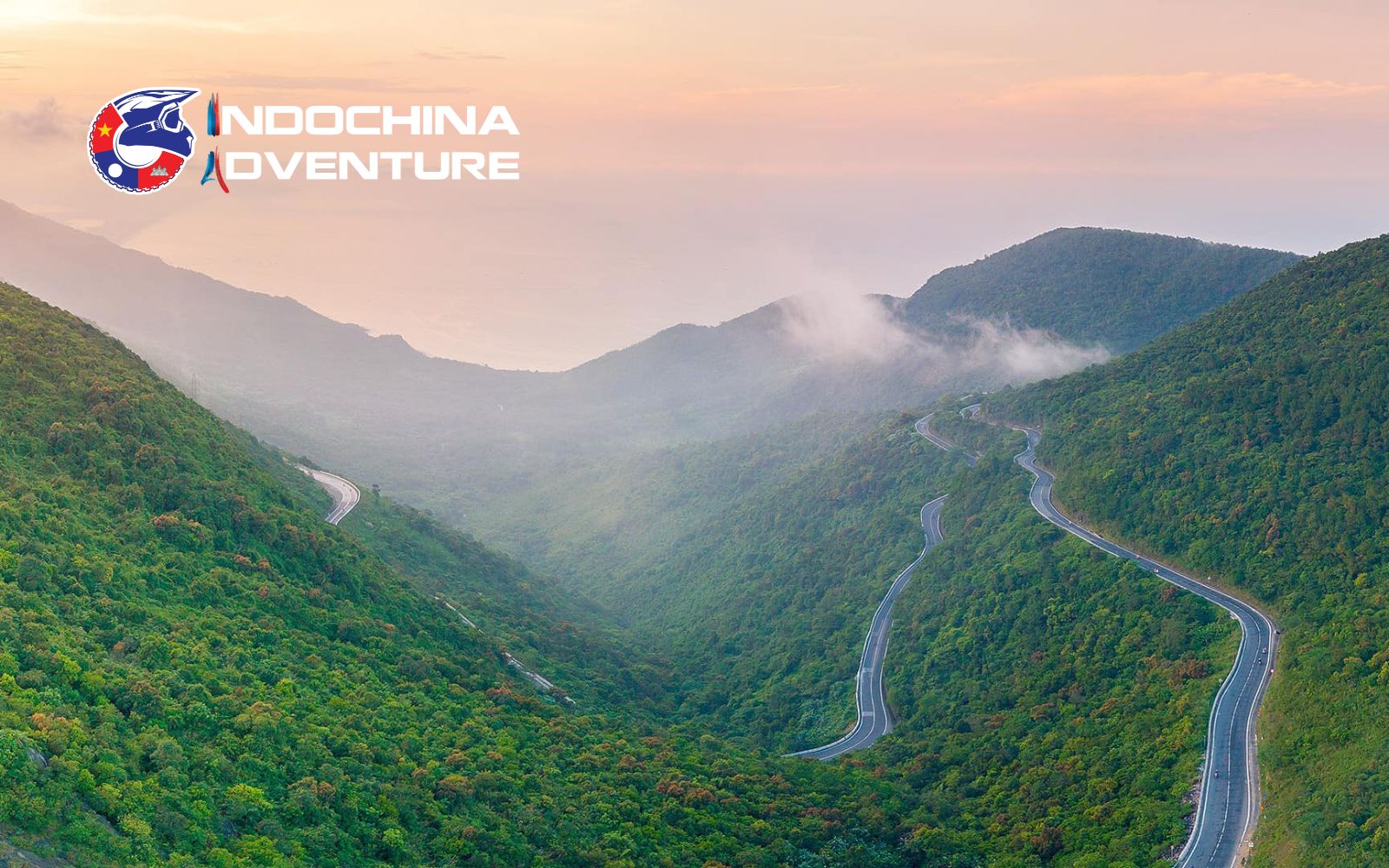
Keep balance and stability when facing powerful mountain gusts
Passing trucks or buses
Although traffic is generally light, you may occasionally encounter large vehicles, especially near tunnels or viewpoints. Always stay in your lane, give them space, and never overtake on blind corners, one of the most common causes of Hai Van Pass accidents.
Tips for riding the Hai Van Pass safely
While the Hai Van Pass is dangerous only in theory, preparation and awareness make all the difference. Whether you’re an experienced rider or a beginner, following these simple Hai Van Pass travel tips will help ensure maximum safety throughout your trip:
- Wear a quality helmet and full protective gear.
- Check brakes, tires, and lights before departure.
- Avoid riding during heavy rain or thick fog.
- Keep your speed moderate and predictable.
- Use both brakes smoothly on steep slopes.
- Stay in your lane and avoid overtaking on blind corners.
- Take regular breaks to rest, hydrate, and enjoy the views.
- Keep your phone charged for maps and emergencies.
- Carry a raincoat and basic repair tools.
- Don’t ride under fatigue or after drinking alcohol.
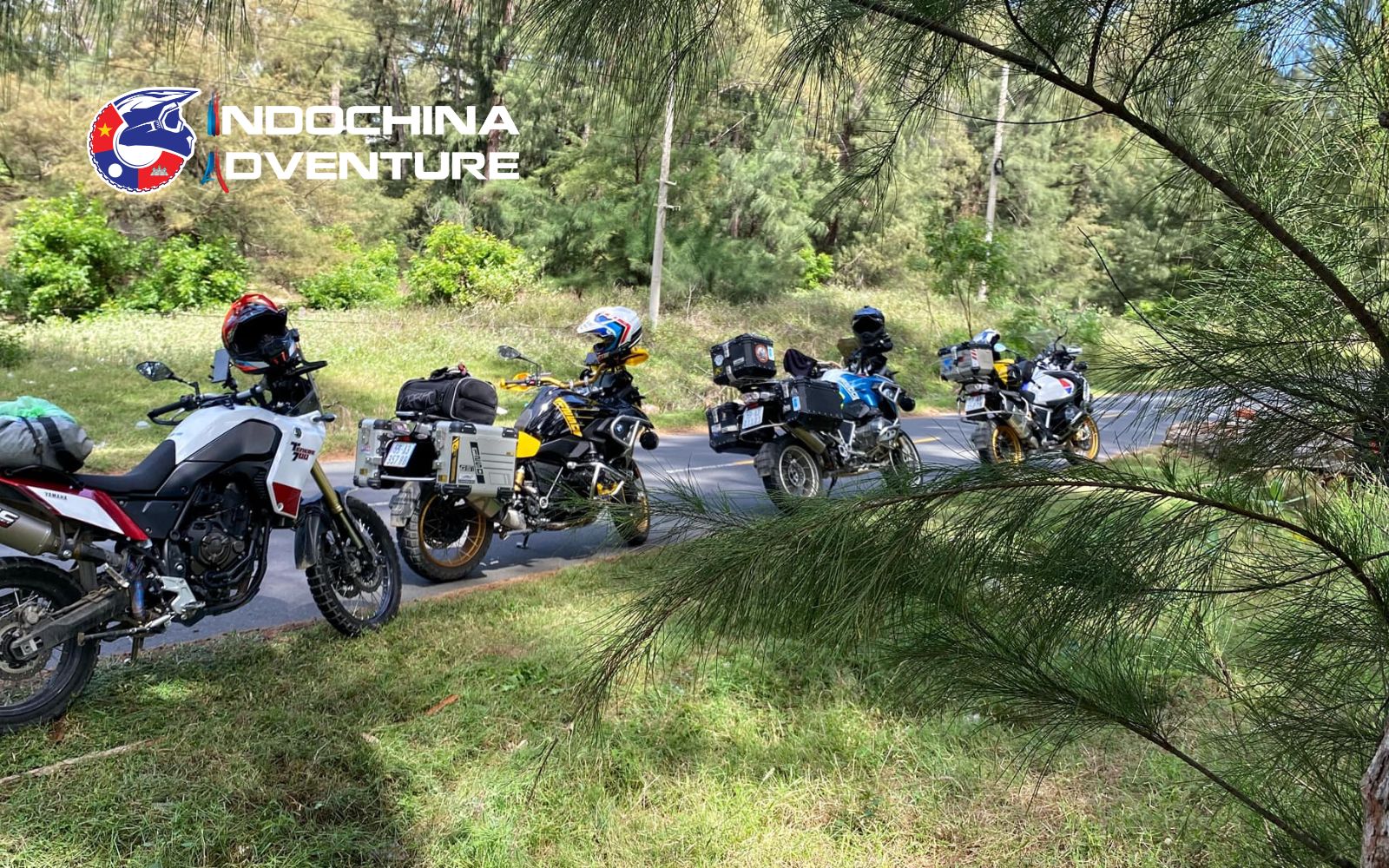
Follow these essential safety practices to enjoy a smooth and secure ride
Should you ride a motorbike or take a guided tour?
When planning your Central Vietnam Motorbike Tours, a key decision is whether to brave the pass solo or rely on an expert. Asking how dangerous is the Hai Van Pass is synonymous with asking about your own skill level.
If you are an experienced rider and feel the road is safe to ride, self-driving offers maximum freedom. However, if your experience is limited, or you are worried about traffic and navigation, a solo ride might put your Hai Van Pass travel safety at risk.
If you are concerned about whether the Hai Van Pass is safe for beginners, choosing a professional “Easy Rider” tour is highly recommended. These tours provide a driver who is intimately familiar with the route, handling the challenges of the Hai Van Pass dangerous road so you can relax and fully enjoy the view, drastically reducing the chance of Hai Van Pass accidents. In addition to safety, joining such tours also lets you discover a lot of things to do in Hai Van Pass, from scenic viewpoints to hidden beaches and local eateries along the route.
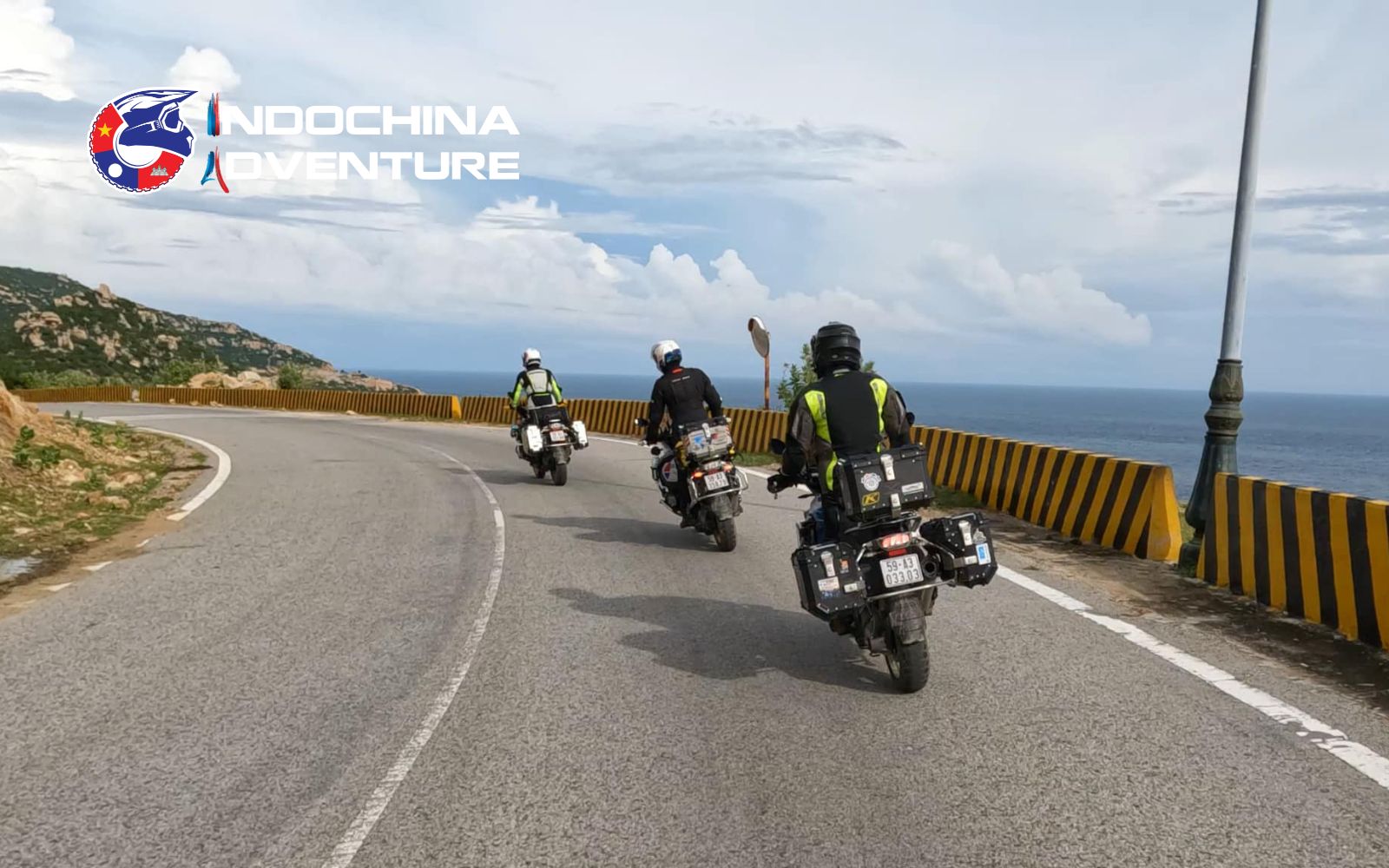
Choose the right option for your skill level and travel style
Join a guided Hai Van Pass motorbike tour with Indochina Adventure
For those who are still wondering, “Is the Hai Van pass dangerous?” the best way to experience it safely and fully is with a trusted local expert. Indochina Adventure offers professional, safety-focused tours designed to let you enjoy every curve and viewpoint without worry.
With experienced English-speaking guides, high-quality motorbikes, and full protective gear, you’ll enjoy the thrill of the ride while staying completely secure. Their support team ensures smooth travel from start to finish, no stress, no surprises, just stunning scenery and pure freedom.
You should choose Indochina Adventure for your Hai Van Pass ride because:
- Experienced local guides who prioritize Hai Van Pass safety.
- Well-maintained motorbikes suitable for all skill levels.
- Safety gear, fuel, and insurance included.
- Scenic photo stops and local insights along the way.
- Backup vehicle and mechanical support for emergencies.

Experience the Hai Van Pass safely and comfortably with professional local guides
What to pack for the Hai Van Pass ride?
To ensure your journey is safe and comfortable, preparation is crucial. The climate on the Hai Van Pass can change rapidly, moving from hot sunshine at the base to cool fog at the summit. Packing smart is a vital aspect of your Hai Van Pass travel safety:
- Proof of Competency: Always carry your valid motorcycle license or International Driving Permit.
- Weather Protection: Lightweight waterproof rain gear is essential for sudden downpours or fog.
- Layers of Clothing: Wear layers, as the temperature difference between Da Nang/Hue and the summit is noticeable.
- Sun Protection: Sunscreen, sunglasses, and a hat for breaks.
- Hydration: Bring plenty of water and snacks, as vendor stops can be sparse between towns.
- Navigation: A fully charged phone with offline maps, even if you’ve booked a tour.
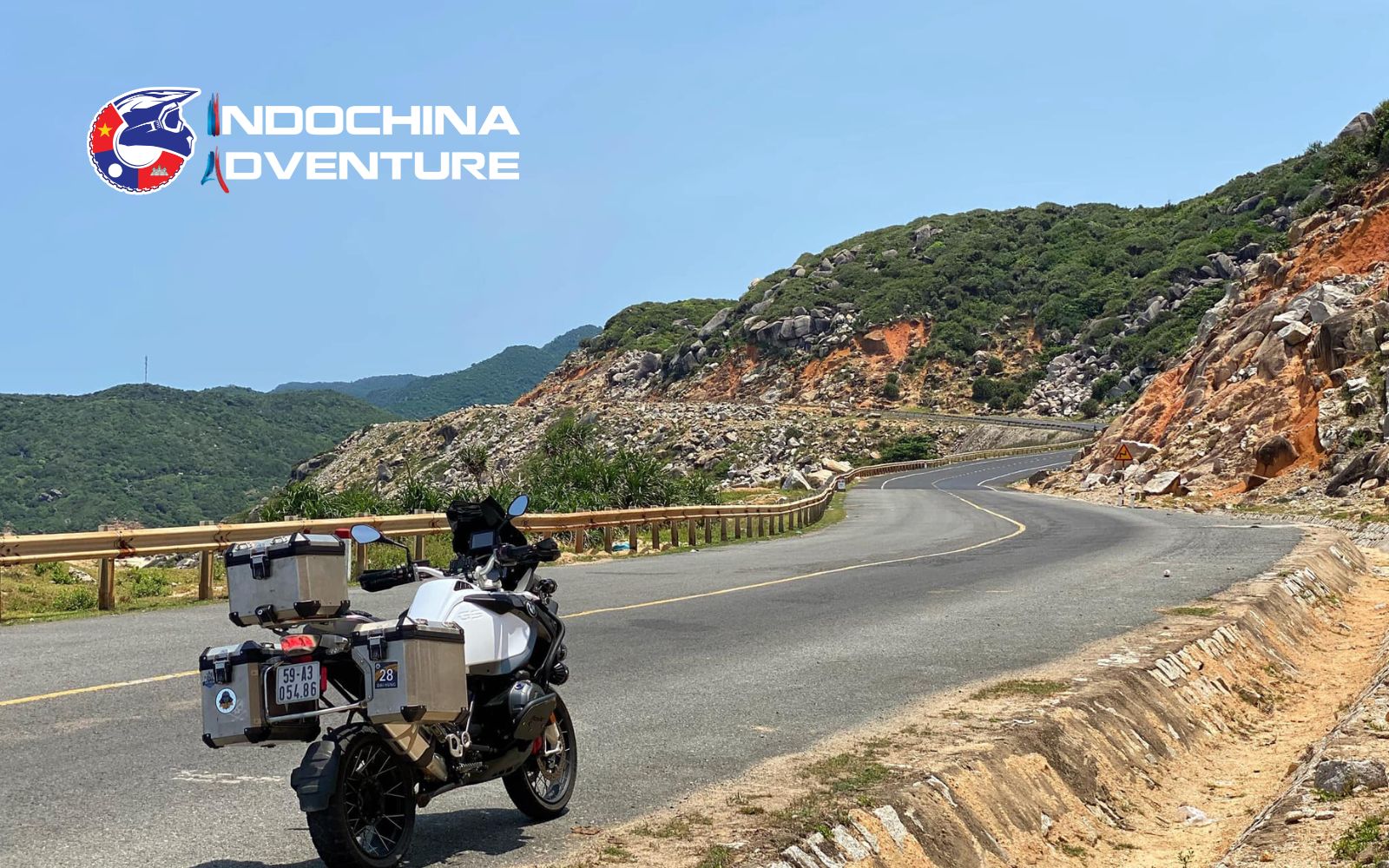
Prepare the right gear to stay safe, comfortable, and ready for any condition
Emergency and safety resources
Knowing what to do in case of a problem is key to maintaining your Hai Van Pass safety. While the road is manageable, having a plan for breakdowns or emergencies is essential, especially if you are traveling solo and asking if it is safe to drive Hai Van Pass alone. This knowledge helps minimize the severity of any potential issues or minor Hai Van Pass accidents.
- Emergency Services: Know Vietnam’s main emergency numbers: Police (113), Fire (114), and Ambulance (115).
- Local Repair: Note the location of the small mechanic shops (“sửa xe“) often found near the peak and at either end of the pass.
- Contact Info: Keep the phone number of your hotel, hostel, or rental company easily accessible.
- Cash: Carry small denominations of Vietnamese Dong for quick repairs, fuel, or vendor stops.
- First-Aid: Pack a basic personal first-aid kit for minor cuts, scrapes, or headaches.
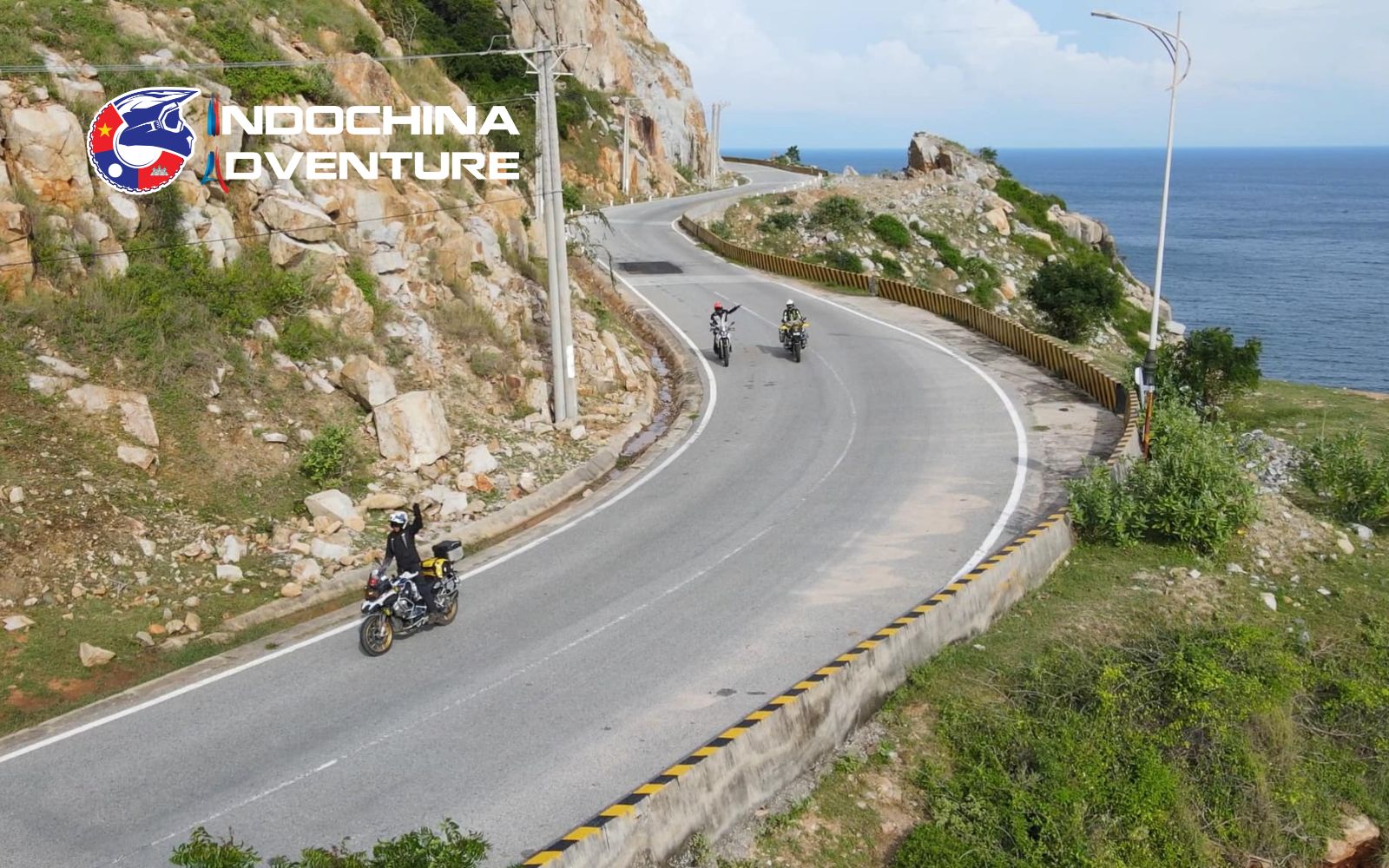
Keep these vital contacts and resources handy for a worry-free journey
So, is the Hai Van Pass dangerous? Most risks come from inexperience or careless speeding, not from the road itself. With proper preparation, the Hai Van Pass safe to ride and offers one of Vietnam’s most breathtaking travel experiences. For the ultimate worry-free adventure, book a guided tour with Indochina Adventure for an unforgettable journey.



Latest posts
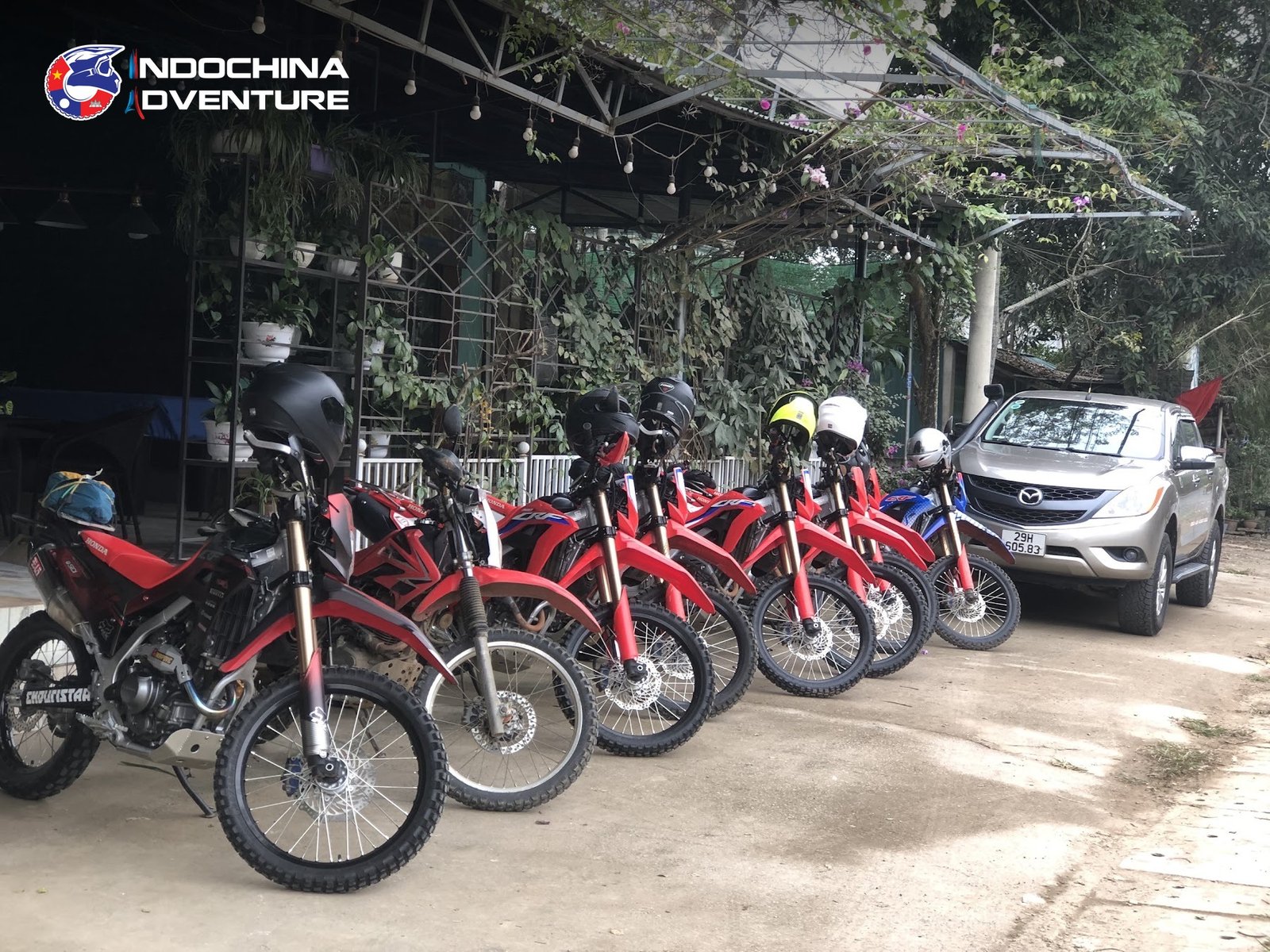
Bigbike vs Dirtbike Tours in Vietnam: Which One Should You Book?
 Date: 12/09/2026

Laos Motorbike Tour: The Best Routes Through North and South Laos
Date: 10/09/2026

Do You Need a Motorbike License to Ride in Vietnam as a Foreigner?
Date: 01/08/2026
Maybe You Don’t Know

Ninh Binh by Motorbike: Tam Coc, Trang An and the Roads Most People Miss
A Ninh Binh motorbike tour guide: the Tam Coc and Trang An loop, the quiet…
Date: 14/09/2026

Bigbike vs Dirtbike Tours in Vietnam: Which One Should You Book?
Bigbike vs dirtbike tour Vietnam: an honest comparison of terrain, riding demand, comfort and cost…
Date: 12/09/2026
Laos Motorbike Tour: The Best Routes Through North and South Laos
A Laos motorbike tour guide covering the northern mountain loops and the southern Thakhek and…
Date: 10/09/2026

South-North Vietnam Offroad Motorbike Tour: Riding HCM City to Hanoi The Hard Way
Planning a Vietnam offroad motorbike tour from HCM City to Hanoi? Route breakdown, daily distances,…
Date: 08/09/2026
Do You Need a Motorbike License to Ride in Vietnam as a Foreigner?
Do you need a motorbike license to ride in Vietnam as a foreigner? The honest…
Date: 01/08/2026

Ha Giang Loop Guided Tour vs Self Ride: Which Option Is Right for You?
Comparing a Ha Giang Loop guided tour vs self ride? Explore the pros, cons, real…
Date: 28/07/2026