Do You Need a Motorbike License to Ride in Vietnam as a Foreigner?



If you’ve spent any time in a Hanoi or Ho Chi Minh City travel forum, you’ve seen the same argument play out a hundred times: one traveler swears an International Driving Permit lets you ride anything, another says the police don’t care either way, and a third throws in a horror story about a rental shop and a busted ankle. Almost none of them are giving you the full picture. The question of a motorbike license Vietnam for foreigners actually requires isn’t complicated once you strip out the forum noise — but the answer isn’t the one most rental shops want you to hear, because renting you a bike with no questions asked is how they make money. And if you intend to ride out of the country, the documents for a Vietnam–Laos border crossing are a separate question again.
Here’s the honest version: what the paperwork says, what actually happens on the road, and why it matters a lot more than “the cops never stop tourists.”
The International Driving Permit Isn’t the Blanket Pass People Think It Is
An International Driving Permit (IDP) is a translation document, not a license in its own right. It exists to convert your home-country driving license into a format that local authorities and rental agents can read. It doesn’t grant you permission to operate a class of vehicle you weren’t already licensed to ride at home.
That last point is where most travelers get tripped up. If your home license only covers cars, an IDP built off that license typically will not cover motorbikes — no matter how official the IDP itself looks with its stamps and multiple languages. To legally ride a motorbike with an IDP, the underlying license it’s translating generally needs to include a motorcycle endorsement in the first place. A lot of travelers show up with a car-only IDP, assume it’s a universal “I’m allowed to drive” card, and only find out otherwise when it actually matters.
There’s a second wrinkle specific to Vietnam: whether IDPs are recognized at all depends on which international convention your home country’s permit was issued under, and Vietnam’s participation in these agreements has been a moving target over the years, with periods of ambiguity about which permits are honored in practice versus on paper. This is exactly the kind of detail that changes without a lot of headline coverage, so treat anything you read online — this article included — as a starting point, not gospel. Confirm the current rules directly with an official source (embassy guidance, Vietnam’s traffic police, or a licensed local operator) before you travel, not after you’ve already got a bike.
So What About an Actual Vietnamese License?
Set the IDP question aside for a second, because there’s a separate, more fundamental layer underneath it: Vietnam has its own domestic licensing system, and it categorizes motorbikes by engine size. The category most relevant to travelers is generally referred to as A1, which covers smaller-displacement bikes — the kind of automatic scooters and manual semi-automatics you’ll see most tourists renting around Hanoi, Hoi An, and the coast. Larger-displacement machines, including the bigger manual bikes and BMWs used for more serious touring, fall under different, higher categories entirely.
This is a genuinely important distinction if you’re picturing yourself on anything more powerful than a rental scooter. A permit or endorsement that covers a small-displacement A1-class bike doesn’t automatically extend to a 250cc+ dirtbike or a big adventure bike. The category you’d technically need scales with the machine, and for foreigners, actually holding a valid Vietnamese license in the right category is not something you can sort out at a roadside rental counter in twenty minutes. It typically means engaging with the local licensing process directly — and for most travelers on a two- or three-week trip, that’s not realistic.
We’re not going to pretend to hand you a definitive legal ruling here, because licensing rules, recognized categories, and enforcement guidance can and do shift. What we will say plainly: if you’re renting a bike in Vietnam as a foreigner, don’t assume you’re automatically covered just because a shop hands you a helmet and the keys without a second glance.
The Part Nobody Mentions: Insurance
This is the piece that should actually change your decision-making, more than any conversation about checkpoints or fines. Travel insurance policies — the vast majority of them — carry a licensing clause. If you’re involved in an accident while operating a motorbike you weren’t properly licensed to ride, a lot of policies will deny the claim outright. Not reduce it. Deny it.
Think about what that means in practical terms. Vietnam’s roads are mixed traffic — trucks, buses, scooters, livestock, other tourists who also may not know exactly what they’re doing — and even careful, experienced riders go down sometimes. If that happens and you’re not properly licensed, you could be looking at a bad crash, a hospital bill, a bike repair or replacement cost, and zero insurance coverage for any of it, all at the same time. That’s the real risk of riding unlicensed here — not a police fine, but a fully uncovered worst-case scenario landing on you personally, in a country where you don’t speak the language and don’t know the healthcare system.
If you’re self-organizing a rental through a shop that doesn’t ask about your license category, read your travel insurance policy’s fine print before you sign anything. That single document matters more than any conversation you’ll have with a rental counter employee.

Enforcement Reality: Inconsistent Isn’t the Same as Nonexistent
Ask ten travelers about checkpoints and license checks and you’ll get ten different stories — some ridden thousands of kilometers with zero interaction with police, others got waved down and asked for documents on day two. That inconsistency is real, but it’s not something to plan a trip around. Enforcement patterns shift by region, by season, and by whatever local priorities are at a given time, and none of that is something a blog post can predict for the week you happen to be traveling.
Here’s the more useful way to think about it: getting waved through a checkpoint with no license doesn’t retroactively make you licensed, and it does nothing for the insurance problem above. Unlicensed riding carries the same underlying risk whether or not you ever encounter a checkpoint at all. If your plan is “I’ll probably be fine because most people are,” you’re accepting real financial and legal exposure on the hope that nothing goes wrong — which, on unfamiliar mountain roads with unfamiliar traffic patterns, isn’t a great bet regardless of how the licensing question shakes out.
What to Actually Check Before You Fly
If you’re still set on self-renting rather than joining a guided ride, do the boring paperwork homework before you land, not after you’ve already handed over a deposit. Start with your home license: does it actually carry a motorcycle endorsement, or does it only cover cars? That single fact determines whether an IDP built off it will do you any good at all. From there, get the IDP itself sorted through your home country’s licensing authority — not a random online generator site, of which there are plenty that look official and mean nothing.
Next, go straight to primary sources for anything specific to Vietnam: your home country’s embassy or foreign ministry travel advisory page, and ideally direct guidance from Vietnamese traffic authorities if you can find current information. Skip the forum posts and the “my mate did it in 2019” stories — rules, recognized conventions, and enforcement patterns can all shift, and a five-year-old comment thread is not a source. Finally, before you sign a rental agreement, pull out your travel insurance policy and actually read the section on licensing requirements, not just the marketing summary. If the wording is vague, contact the insurer directly and get their answer in writing.
None of this is complicated, but it does take actual time and a bit of patience with bureaucracy — which is exactly the overhead a guided tour removes for you.
The Straightforward Way Around All of This
If reading the sections above made you want to just rent a bike solo and hope for the best, that’s understandable — sorting out foreign licensing bureaucracy is nobody’s idea of a vacation. But there’s a genuinely easier path that also happens to be the safer one: ride with a guided operation instead of self-renting.
On an Indochina Adventure guided motorbike tour, you’re not the one standing at a rental counter trying to work out whether your car-license IDP covers a manual dirtbike, and you’re not the one gambling your travel insurance claim on a licensing technicality. You ride as part of a properly licensed, insured operation, with a support crew and lead riders who know the roads, the machines, and the regulatory landscape far better than any forum thread. The legal and paperwork side — the exact part of this article that should be making you a little nervous — is handled by people who deal with it every single trip, not something you’re piecing together from a Reddit post two nights before your flight.
That matters even more if you’re eyeing something like the Ha Giang Loop motorbike tour, where the terrain — switchbacks, sheer drops, unpredictable weather — punishes any gap between what you’re licensed for and what you’re actually riding. This isn’t the place to find out the hard way that your paperwork doesn’t hold up.
If you’d still rather go it alone, at minimum take licensing seriously before you commit to anything through our bike rental page — get the category right for the machine you actually want, and confirm your insurance situation in writing, not from a rental shop employee’s reassurance.
Either way, don’t let this be the detail that derails an otherwise great trip. If you want the riding without the legal guesswork, get in touch with our team and we’ll set you up on a guided tour where the license question is already handled — you just show up and ride.


Latest posts
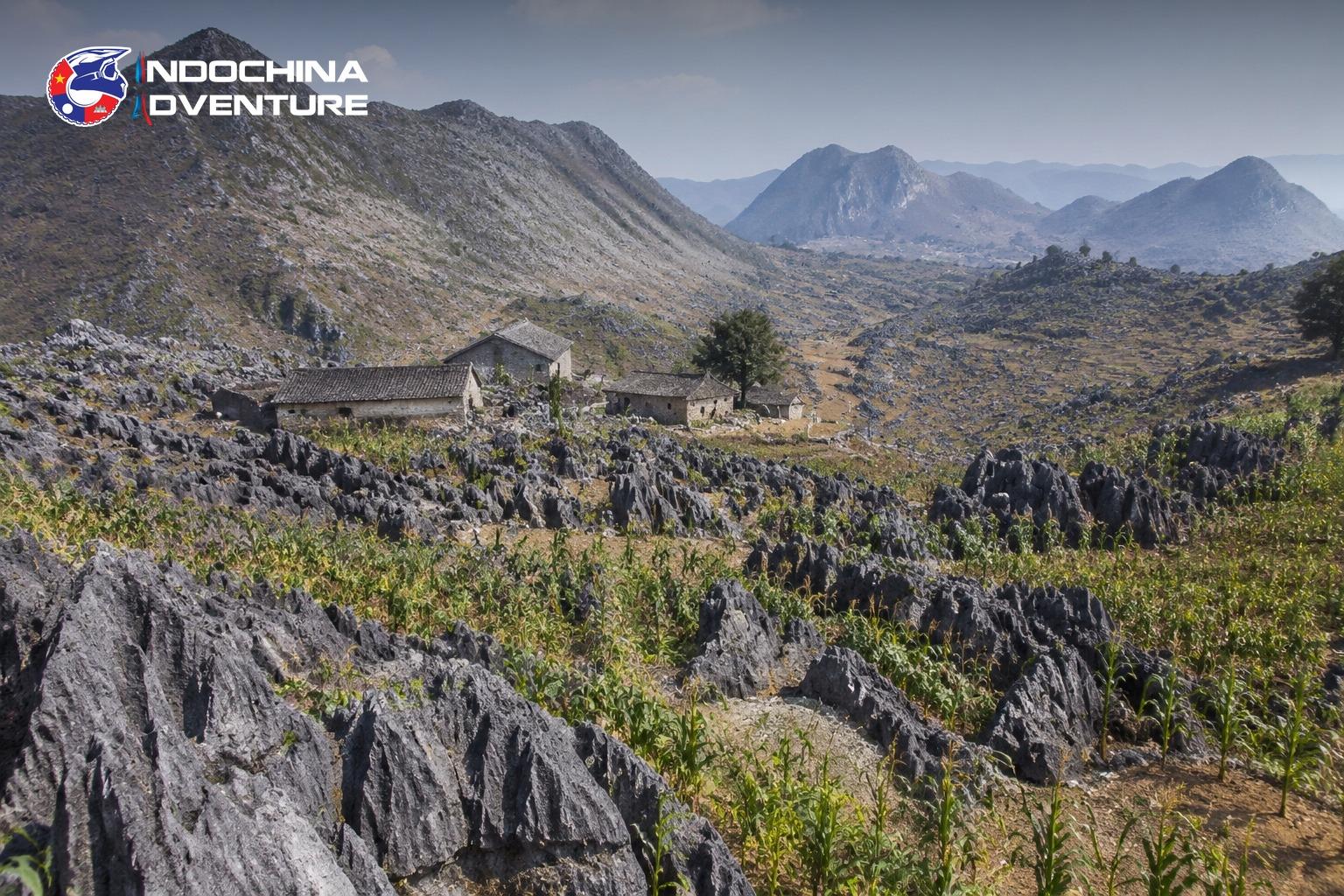
Cao Bang to Ha Giang Motorbike Route: Northern Vietnam Loop Guide
 Date: 20/09/2026

Cambodia Adventure Motorbike Tour: Angkor and Beyond
Date: 18/09/2026

Crossing Borders: The Vietnam to Laos Motorbike Paperwork Guide
Date: 16/09/2026
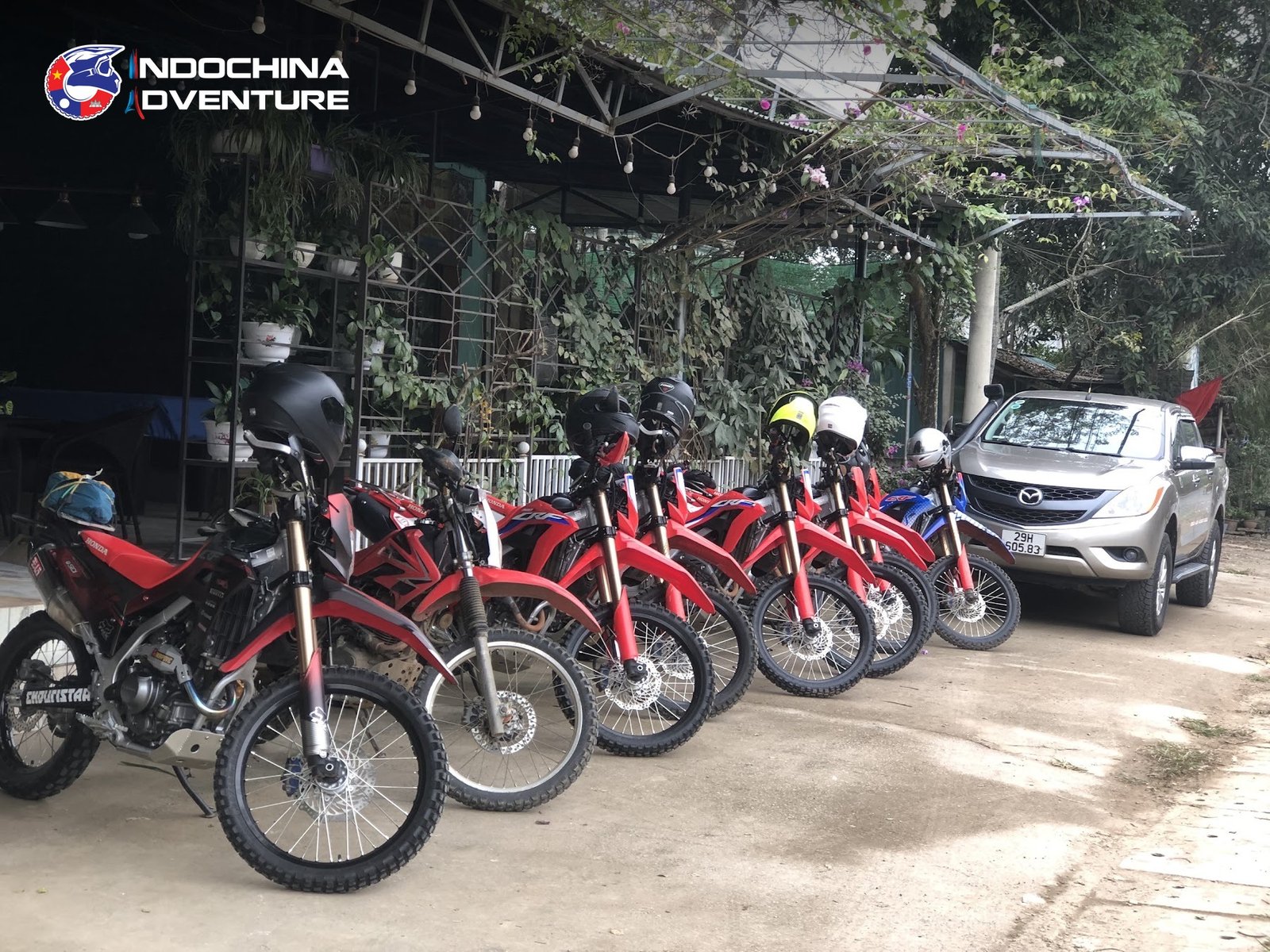
Bigbike vs Dirtbike Tours in Vietnam: Which One Should You Book?
Date: 12/09/2026

Laos Motorbike Tour: The Best Routes Through North and South Laos
Date: 10/09/2026
Maybe You Don’t Know
Cao Bang to Ha Giang Motorbike Route: Northern Vietnam Loop Guide
The Cao Bang to Ha Giang motorbike route as one 8-day loop: stages, distances, real…
Date: 20/09/2026

Cambodia Adventure Motorbike Tour: Angkor and Beyond
A Cambodia motorbike tour guide: Angkor, the temples beyond the park, the red dirt northern…
Date: 18/09/2026
Crossing Borders: The Vietnam to Laos Motorbike Paperwork Guide
What a Vietnam Laos border motorbike tour needs: visas, vehicle papers, which crossings take motorbikes,…
Date: 16/09/2026
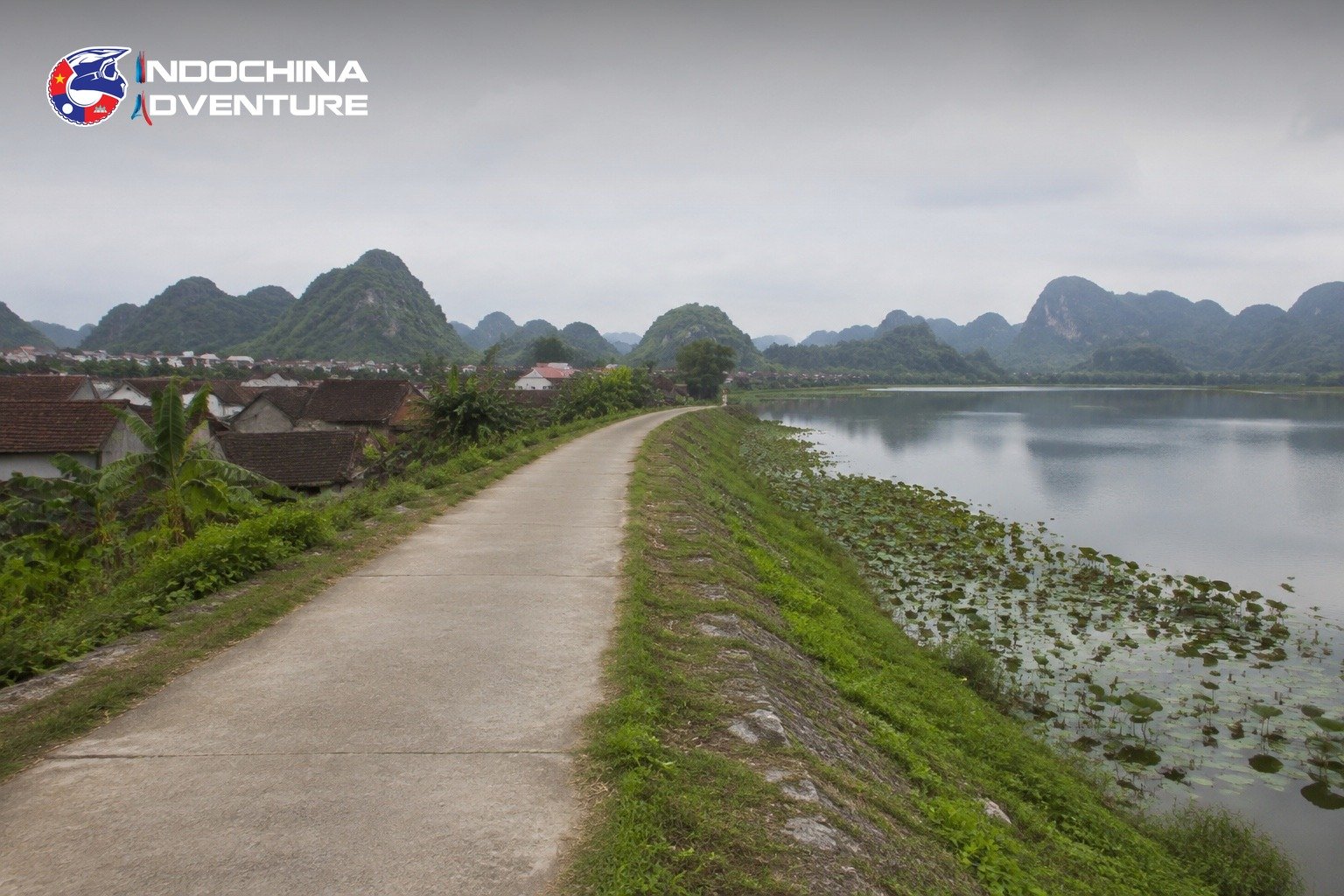
Ninh Binh by Motorbike: Tam Coc, Trang An and the Roads Most People Miss
A Ninh Binh motorbike tour guide: the Tam Coc and Trang An loop, the quiet…
Date: 14/09/2026
Bigbike vs Dirtbike Tours in Vietnam: Which One Should You Book?
Bigbike vs dirtbike tour Vietnam: an honest comparison of terrain, riding demand, comfort and cost…
Date: 12/09/2026
Laos Motorbike Tour: The Best Routes Through North and South Laos
A Laos motorbike tour guide covering the northern mountain loops and the southern Thakhek and…
Date: 10/09/2026